+1 561 855 1409
 Night Riding on an ATV: Safety Tips, Gear, and Lighting Setup
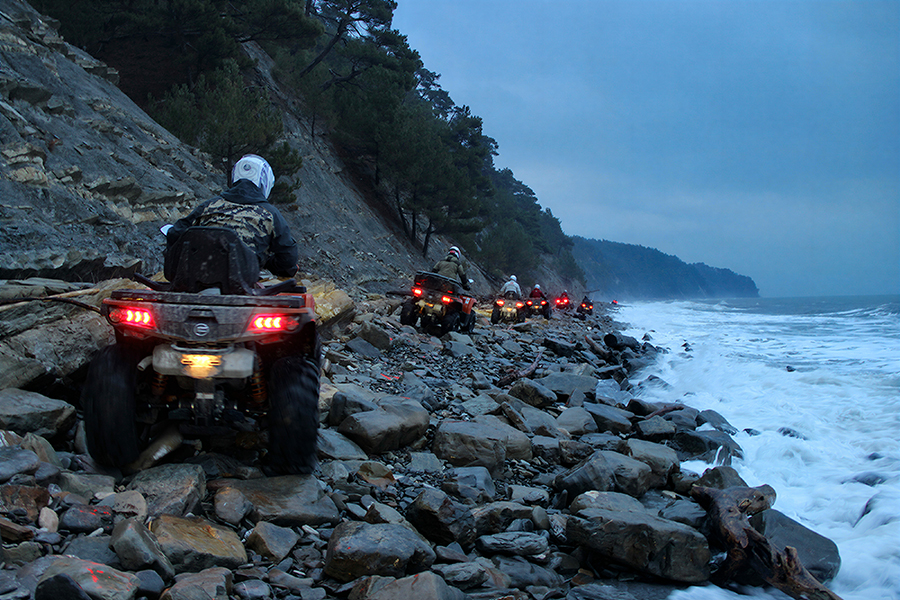
ATV night riding can be an unforgettable experience. Cooler temperatures, quieter trails, and a sense of adventure make riding at night appealing for many off-road enthusiasts. However, darkness adds new challenges and risks. Limited visibility, wildlife encounters, and rider fatigue mean preparation is essential. Whether you enjoy late night riding for work, recreation, or exploration, safety should always come first.
In this guide, we’ll cover everything you need to know about riding an ATV at night — from safety tips and essential gear to choosing the ATV light kits for night riding and setting up your lighting correctly.
Why ATV Night Riding Requires Extra Preparation
During the day, your eyes naturally scan terrain, obstacles, and trail conditions. At night, your field of vision shrinks dramatically. Shadows can hide rocks, ruts, and fallen branches, while dust or fog can reflect light back at you. That’s why ATV night riding lights and proper riding habits are critical.
Unlike daytime riding, you must rely heavily on artificial lighting and slower reaction times. Even familiar trails can look completely different after dark, which is why preparation and caution are key.
Essential Safety Tips for ATV Riding at Night
1. Slow Down and Ride Defensively
Speed is one of the biggest dangers in riding at night. Reduced visibility means less time to react to obstacles or animals. Ride slower than you would during the day and assume something unexpected could be just beyond your light beam.
2. Know the Trail
Stick to trails you already know, especially if you’re new to riding ATV at night. Familiar terrain reduces surprises and helps you anticipate turns, dips, and hazards.
3. Ride With a Group
Solo late night ATV riding can be risky. Riding with others increases safety, provides help in emergencies, and improves visibility on the trail.
4. Watch for Wildlife
Animals are more active at night. Deer, coyotes, and smaller animals can dart across trails unexpectedly. Always scan the edges of the trail, not just what’s directly ahead.
5. Avoid Fatigue
Night rides often happen after a full day of work or riding. Fatigue slows reaction time and decision-making. If you feel tired, take a break or call it a night.
Protective Gear for Night ATV Riding
The right gear is just as important as your ATV setup when riding an ATV at night.
Helmet and Eye Protection
-
A full-face or modular helmet offers the best protection.
-
Use clear or lightly tinted goggles; dark lenses reduce visibility at night.
Reflective and High-Visibility Clothing
-
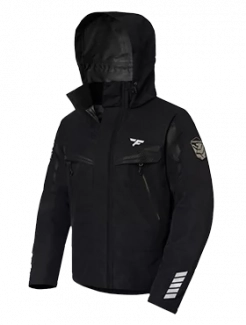
Reflective strips help other riders spot you in low light.
-
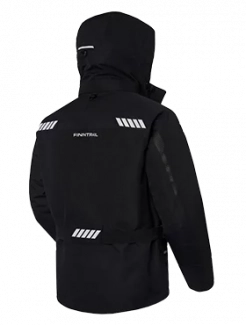
Bright or high-visibility jackets improve safety during ATV night riding.
Gloves and Boots
-
Proper gloves improve grip and control.
-
Sturdy boots protect your feet from unseen obstacles and debris.
ATV Night Riding Lights: Why Lighting Matters Most
Lighting is the single most important upgrade for ATV night riding. Stock headlights are often insufficient, especially on dark trails or at higher speeds.
Types of ATV Night Riding Lights
LED Light Bars
LED light bars provide wide, powerful illumination and are a popular upgrade. They’re durable, energy-efficient, and ideal for trail riding.
Spot Lights
Spot lights project a focused beam far down the trail, helping you see what’s coming next. These are excellent for faster riding.
Flood Lights
Flood lights spread light across a wide area, improving peripheral vision and helping spot obstacles off to the sides.
A combination of spot and flood lighting is often the best setup for ATV night riding lights.
Choosing the Best ATV Light Kits for Night Riding
When selecting lighting upgrades, many riders ask: is it best to use ATV light kits for night riding or individual lights? In most cases, complete kits offer better value and compatibility.
What to Look For in the Best ATV Light Kits for Night Riding
-
Brightness (Lumens): more lumens mean better visibility, but balance brightness with beam control.
-
Beam Pattern: combo beams (spot + flood) offer the best all-around performance.
-
Durability: look for waterproof, dustproof, and vibration-resistant housings.
-
Easy Installation: plug-and-play wiring harnesses save time and reduce errors.
-
Power Efficiency: LEDs are preferred to avoid draining your battery.
The best ATV light kits for night riding are designed specifically for off-road use and provide reliable illumination in harsh conditions.
Proper Lighting Setup for ATV Riding at Night
Even the best lights won’t help if they’re poorly positioned.
Mounting Tips
-
Mount lights securely to prevent vibration.
-
Position lights slightly downward to avoid blinding yourself or other riders.
-
Avoid placing lights where they reflect off the hood or accessories.
Aiming Your Lights
-
Spot beams should point down the trail, not straight ahead.
-
Flood lights should illuminate the immediate surroundings.
-
Test your setup in a dark area before hitting the trail.
A well-adjusted lighting system dramatically improves safety during ATV night riding.
Extra Tips for Late Night ATV Riding
-
Carry a flashlight or headlamp as a backup.
-
Bring a GPS or trail app in case you lose your way.
-
Let someone know your riding plan and expected return time.
-
Keep your ATV well-maintained—brakes, tires, and battery condition matter more at night.
Final Thoughts
ATV riding at night can be thrilling and rewarding, but it requires respect for the challenges darkness brings. By slowing down, wearing proper gear, and investing in high-quality lights, you can enjoy the trails safely after sunset.