+1 561 855 1409
 Proper ATV Washing: Protecting Electrical and Mechanical Parts
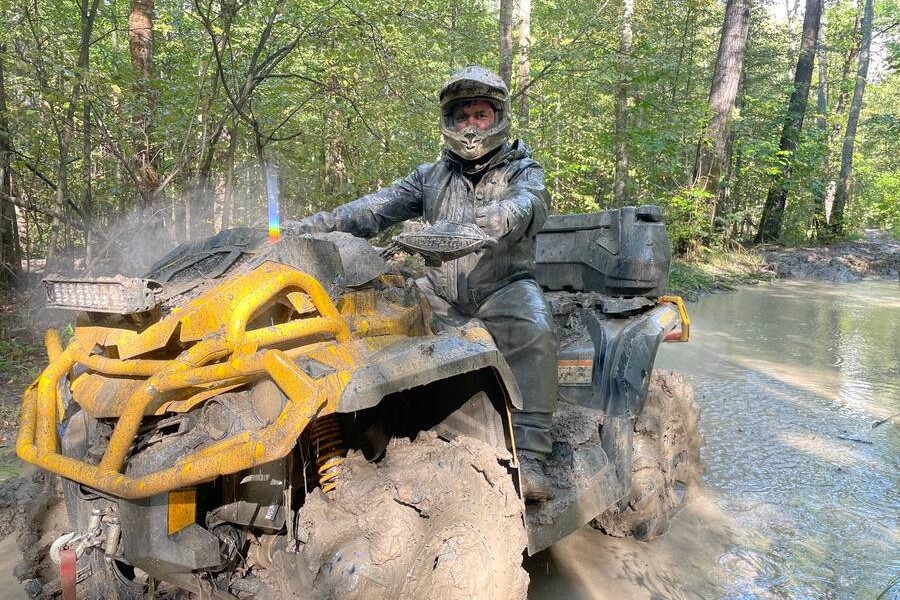
Keeping your ATV clean isn’t just about looks — it’s essential for performance, longevity, and safety. Mud, dust, and debris can hide damage, accelerate corrosion, and clog vital components. However, improper ATV washing can do more harm than good. In this guide, you’ll learn how to wash an ATV properly while protecting sensitive parts, electronics, and seals.
Why Proper ATV Washing Matters
Regular ATV washing helps you:
-
Prevent rust and corrosion
-
Maintain cooling efficiency
-
Spot leaks, cracks, or loose bolts early
-
Extend the life of bearings, seals, and suspension components
Using the best ATV wash products and techniques ensures you clean thoroughly without forcing water into areas that shouldn’t get wet.
What You’ll Need Before You Start
Having the right tools makes a big difference. A basic ATV wash kit should include:
-
Mild ATV wash soap (never dish soap)
-
Soft-bristle brushes and microfiber cloths
-
A hose or low-pressure washer
-
Degreaser for chain and drivetrain
-
ATV foam wash for heavy dirt and mud
-
Chain lubricant and protective spray
Step-by-Step Guide: How to Wash an ATV Safely
1. Let the ATV Cool Down
Never start washing an ATV immediately after riding. Hot engines and exhaust components can crack when hit with cold water. Wait at least 20–30 minutes.
2. Pre-Rinse Gently
Use a hose or the best pressure washer for cleaning ATV set to a low-pressure, wide spray. The goal is to loosen dirt — not blast it off.
Avoid spraying directly at:
-
Air intake
-
Electrical connectors
-
Wheel bearings
-
Radiator fins at close range
This step is critical when learning how to wash an ATV without damaging seals.
3. Apply ATV Foam Wash
Cover the ATV with ATV foam wash, allowing it to cling to plastics, frame, and suspension. Foam helps lift mud and grit safely.
For thick buildup, especially after trail riding, use the best ATV wash for mud and let it dwell for a few minutes — never let it dry.
4. Scrub with Soft Brushes
Use soft brushes on plastics and painted surfaces. A separate brush should be reserved for:
-
Tires
-
Skid plates
-
Swingarm and undercarriage
This prevents abrasive grit from scratching sensitive areas. Quality best ATV wash soap provides lubrication that reduces swirl marks.
5. Rinse Carefully
Rinse from top to bottom using low pressure. Keep the spray moving and angled away from seals and joints. When wondering how to wash an ATV properly, remember: patience beats pressure.
6. Clean the Drivetrain Separately
Chains, sprockets, and differentials often require a specific cleaner. Avoid soaking them with water. After cleaning:
-
Dry thoroughly
-
Apply chain lube or protective coating
7. Dry and Protect
Use microfiber towels or compressed air (low pressure) to remove trapped water. Pay special attention to:
-
Electrical connectors
-
Switches
-
Bolts and fasteners
Finish with a plastic protectant or silicone spray for UV and moisture resistance.
Common ATV Washing Mistakes to Avoid
-
Using household detergents (they strip protective coatings)
-
High-pressure spraying of bearings and seals
-
Ignoring the undercarriage
-
Skipping lubrication after washing
Using the best ATV wash products helps prevent these costly mistakes.
How Often Should You Wash Your ATV?
-
After every muddy or dusty ride
-
Before long-term storage
-
Before routine maintenance
Consistent ATV wash routines reduce wear and make future cleanings easier.
Final Thoughts
Learning how to wash an ATV properly is just as important as riding it correctly. With the right ATV wash kit, gentle techniques, and high-quality cleaners, you can keep your machine looking great and running strong without risking sensitive components.
Whether you’re dealing with deep trail mud or everyday dust, choosing the best ATV wash soap, foam wash, and proper tools will protect your investment for years to come.