+1 561 855 1409
 Thinsulate Technology: Everything You Need to Know About This Footwear Insulation
Thinsulate technology has become the standard in winter footwear for delivering maximum warmth with minimal bulk and weight. Its ultra-thin synthetic fibers trap heat effectively without adding weight, keeping feet comfortable during long walks and active pursuits in freezing temperatures.
This article covers what Thinsulate is, how it works, how it compares to down, wool, and traditional synthetics, and what to consider when choosing boots for urban use, fishing, snowmobiling, and mountain adventures.
Thinsulate Insulation: What It Is, What It's Made Of, and Why You Need It
Thinsulate first appeared in 1978 at 3M, an American chemical corporation specializing in healthcare, industrial production, and consumer goods. Originally developed for NASA astronaut spacesuits, the material later gained widespread use in civilian clothing and footwear.
Thinsulate consists of microfibers made from polyester or polypropylene — 15 times thinner than a human hair. These fibers are densely woven, creating millions of tiny air pockets that trap warm air and block cold from penetrating. This structure allows the insulation to retain heat even in extreme cold while staying thin and lightweight.
How Thinsulate Technology Works
The technology works by trapping warm air between microfibers. The denser the weave and smaller the air pockets, the better the thermal insulation. Thinsulate retains body heat without adding bulk or weight to boots — crucial for active recreation and extended wear.
Unlike natural materials such as wool or down, Thinsulate doesn't absorb moisture and maintains its properties even when wet. This makes it ideal for winter footwear exposed to snow, rain, or slush.
Types of Thinsulate and Their Applications
Thinsulate comes in several versions, each designed for specific conditions and activity levels:
-
Classic Insulation: standard version for everyday winter footwear and clothing. Provides warmth in moderate cold and suits city conditions;
-
Ultra Insulation: thinner and more flexible for active use. Ideal for sports and activities where mobility matters;
-
Flex Insulation: enhanced flexibility for footwear requiring maximum freedom of movement;
-
Featherless Insulation: alternative to natural down, used in jackets and sleeping bags;
-
Water-Resistant Insulation: enhanced moisture protection for wet conditions.
Each type has its own density, measured in grams per square meter (g/m²). Higher density means better warmth, but slightly more weight and bulk.
Thinsulate Density and Temperature Range
Thinsulate density directly affects thermal insulation. Here are the main density options and their recommended temperature ranges:
-
100–200 g/m²: best for autumn-spring weather and light cold (0°C to -10°C);
-
200–400 g/m²: universal winter option (-10°C to -25°C), suitable for most users;
-
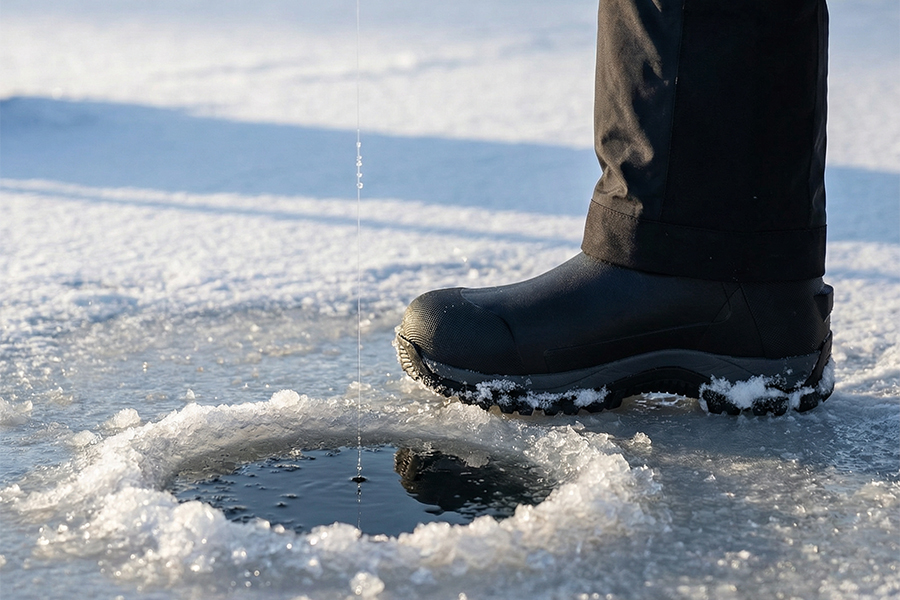
400–600 g/m²: for severe frosts and low activity (-25°C to -40°C), ideal for fishing, hunting, and extreme conditions;
-
600–800 g/m²: for extreme cold below -40°C, used in professional footwear for polar expeditions and Far North work.
When choosing footwear, consider both insulation density and your activity level. For active movement, lower-density boots work well since your body generates extra heat. For static activities like fishing or standing guard, you'll need higher-density insulation.
Comparing Thinsulate to Other Insulation Materials
|
Feature |
Thinsulate |
Natural Down |
Wool / Sheepskin |
Classic Synthetic Insulation (Polyester, Hollofil) |
|
Warmth |
Retains heat even in damp conditions |
Very warm but loses insulation when wet |
Loses insulating properties when wet |
Less efficient at the same thickness |
|
Weight |
Lightweight with good warmth-to-thickness ratio |
Extremely light |
Heavier and denser |
Medium weight |
|
Bulk / Thickness |
Thin and low-profile |
Can be bulky depending on fill |
Adds significant volume to footwear |
Bulkier to achieve the same warmth |
|
Moisture Resistance |
Works well even in moisture |
Performs poorly when wet |
Absorbs water easily |
May lose shape and insulation over time |
|
Efficiency |
1.5–2 times warmer at the same thickness |
Excellent warmth but moisture-sensitive |
Moderate warmth |
Lower warmth compared to Thinsulate |
|
Durability |
Highly durable, resists compression |
Can compress and lose loft over time |
Can wear down and deform |
Compresses faster and loses shape |
|
Breathability |
Regulates heat exchange and prevents overheating |
Good breathability |
Average breathability |
Lower breathability, may cause overheating |
|
Care / Maintenance |
Easy to wash and dries quickly |
Requires special care and drying |
Needs careful cleaning |
Generally easy to maintain |
|
Allergenicity |
Hypoallergenic |
May cause allergies in some cases |
Can trigger allergies |
Usually hypoallergenic |
|
Odor Absorption |
Does not absorb smells easily |
May retain odors |
Retains odors |
Can absorb odors over time |
Advantages of Thinsulate
These advantages explain why Thinsulate has become the go-to choice for winter footwear — from daily commutes to extreme outdoor adventures.
-
High thermal insulation: retains heat even in extreme cold
-
Minimal volume and weight: doesn't make footwear heavy or bulky
-
Moisture resistance: works effectively even when wet
-
Hypoallergenic: doesn't cause allergic reactions
-
Versatility: suitable for everyday wear and extreme cold
-
Multiple activity types: including fishing, sports, tourism, daily routine, and professional expeditions
-
Long service life: doesn't compress from constant wear and regular washing, preventing cold spots. Requires minimal care.
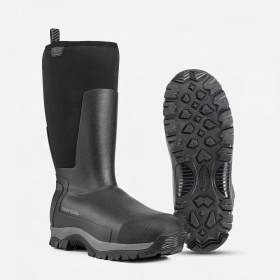
The material resists compression, making it ideal for winter footwear. Models combining Thinsulate, neoprene, and fleece lining — like FINNTRAIL Edge 7520 — retain heat even when exposed to rain, snow, or puddles. Unlike wool, they don't compress under foot pressure, resist odors, dry quickly, and work well for active recreation.
How to Choose Footwear with Thinsulate Insulation
To choose the right boots, consider wear conditions, climate, lifestyle, and your body's unique needs. Follow these steps:
-
Check density (g/m²) and temperature range. If you'll be mostly stationary, choose higher-density insulation to protect your feet from cold during extended sitting or standing.
-
Look for membrane and DWR coating. This protects against moisture and wind, and waterproof boots resist dirt and road salt.
-
Select a durable outsole. Models with dense, non-slip EVA outsoles prevent cold from penetrating through the ground.
-
Verify markings on the description and label. If uncertain, confirm certification with the brand. Avoid suspiciously cheap products.
-
Try boots on in the evening when your feet are naturally swollen. Check toe and heel positioning, and bring the thermal socks and insoles you'll actually wear.
How to Care for Footwear with Thinsulate Insulation
High temperatures and harsh detergents can damage fibers and reduce insulation performance. Follow these care tips to maximize your winter boots' lifespan:
-
Clean gently after each wear using only water and a soft cloth — no household cleaners or abrasives. For stubborn dirt, use a soft sponge with liquid cleaners designed for membrane gear.
-
Dry boots at room temperature only, away from direct sunlight and heat sources like radiators or fireplaces.
-
Reapply water-repellent coating once per season to prevent moisture penetration and outer material wear.
-
Store clean, dry boots in a cardboard box. Use paper stuffing to help them maintain their shape, and add silica gel packets to protect against moisture.
FAQ About Thinsulate Insulation
1. What is Thinsulate?
It's a synthetic insulation made from thin, densely woven polyester or polypropylene fibers.
2. Does Thinsulate provide better warmth than down or wool?
Yes. It retains heat longer and maintains its insulating properties when wet, unlike sheepskin, down, and wool.
3. Can you wear Thinsulate footwear in wet weather?Yes, but the boots should have a waterproof membrane upper and DWR coating.
4. What conditions is Thinsulate insulation suitable for?Any situation requiring warmth, mobility, and comfort without added weight—including daily wear, work, active recreation, fishing, sports, and all types of tourism.
5. Does the insulation work in severe frost?Yes, but check the density and temperature range specified by the manufacturer.
6. How does Thinsulate work with a membrane?A membrane is a thin, porous film integrated into the upper material. Together, they provide complete climate control: Thinsulate traps body heat while the membrane blocks water and wind from entering and releases excess moisture outward.