+1 561 855 1409
 Winter Bass Fishing Secrets for Cold Weather Success
When temperatures drop, most anglers pack away their gear and wait for spring. But savvy fishermen know that winter bass fishing can be one of the most rewarding times of year. With cold water forcing bass to conserve energy, their movements become predictable, making it possible for patient anglers to hook some of the biggest fish of the season. By choosing the right lures, adjusting your presentation, and understanding seasonal bass behavior, you can master bass fishing in winter like a pro.
Below, you’ll find the complete guide to winter time bass fishing, including lure selection, location strategies, the best techniques, tips for ponds, rivers, and muddy water, plus expert advice for early and late season transitions.
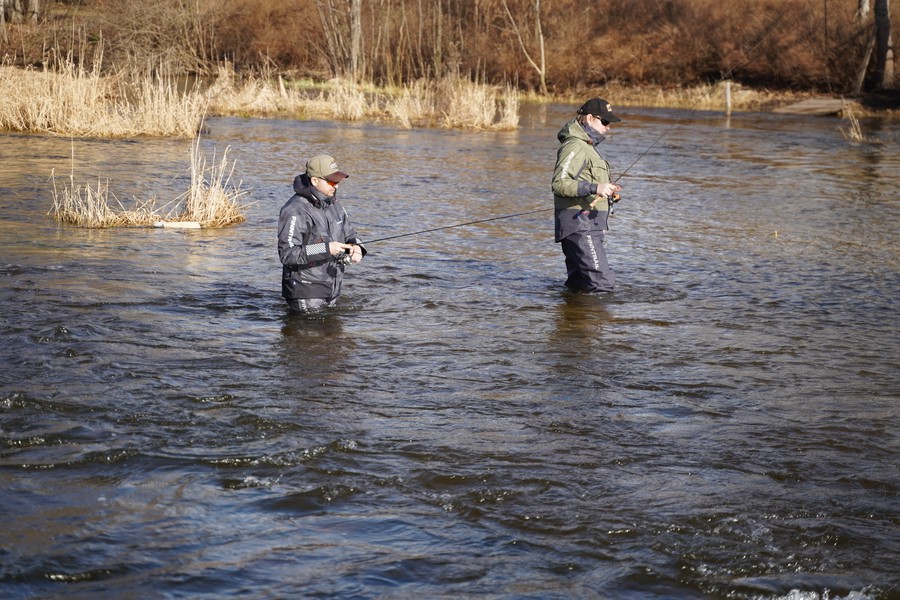
Why Winter Bass Fishing Is Unique
In warm months, bass are aggressive feeders. But cold water — often below 10°C — slows their metabolism. This means:
-
Bass feeds less often
-
They prefer easy, slow-moving prey
-
They gather in predictable winter holding areas
-
Finesse presentations often outperform power fishing
Understanding this biology is the foundation of all effective winter bass fishing
Best Locations for Winter Bass
1. Deep Structure & Ledges
As water cools, bass slide to deeper, more stable temperatures. Points, ledges, channel swings, and humps are prime winter habitats. Reservoirs with steep banks are especially reliable for bass fishing in the winter time.
2. Warm-Water Influences
Even slight warmth attracts winter bass. Focus on:
-
Creek inflows after warm rains
-
Sun-warmed shallow pockets in the afternoons
-
Power-plant discharge lakes
-
Ground-spring–fed ponds
These areas often provide the best action during both early and late winter bass fishing.
3. Winter Bass Fishing in Ponds
Small water warms and cools faster, which creates challenges—but also advantages:
-
Bass often group tightly in the deepest hole.
-
Slow-moving presentations near structure are key.
-
Midday is typically the most productive window.
Dedicated winter bass anglers rely heavily on finesse jigs and small swimbaits.
4. Winter River Bass Fishing
Rivers rarely get as cold as lakes due to current mixing. Key spots include:
-
Current breaks
-
Deep eddies
-
Bridge pilings
-
Outside bends
Slower pools are excellent for winter spotted bass fishing, while rocky current seams attract smallmouth.
Best Winter Bass Fishing Lures
Cold water requires a special lineup. Bass wants something subtle, easy to track, and non-threatening. Below are the essential winter fishing lures for bass, proven across lakes, ponds, and rivers.
1. Jigs
The workhorse of bass fishing in the winter. Football jigs and finesse jigs imitate crawfish moving slowly across the bottom.
2. Blade Baits
Great in deeper lakes. Their tight vibration mimics dying baitfish—a key winter trigger.
3. Suspending Jerkbaits
One of the best lures ever invented. Long pauses between twitches (5–15 seconds) are often required.
4. Soft Plastics (Ned rigs & shaky heads)
These minimalist baits excel in tough conditions. A Ned rig fished slowly is among the best baits for winter bass fishing.
5. Lipless Crankbaits
When fish chase shad in cold water, few lures excel like a lipless crankbait yo-yoed off the bottom.
6. Small Swimbaits
Perfect for clear water where bass rely on sight. Slow and steady wins the battle.
7. Jigs for Night Fishing
During winter night bass fishing, dark jigs and slow presentations dominate. Fish rely heavily on lateral line sensing at night.
8. Fly Fishing for Bass in Winter
Surprisingly effective. Weighted streamers, craw patterns, and slow-sinking baitfish imitations work great in clear, calm water.
9. Striped Bass Winter Fishing
When targeting stripers, scale up: larger swimbaits, umbrella rigs, and spoons mimic wintering bait schools. Cold weather often brings some of the best striped bass action of the year.
Top Winter Bass Fishing Tips and Techniques
1. Slow Down — Then Slow Down More
The golden rule of winter bass fishing tips: Present your lure slowly enough that it feels too slow — then slow it down again.
Cold-water bass won’t chase. Your lure should hang, glide, or crawl.
2. Downsize Your Presentation
Finesse is king in winter. Downsizing helps match the smaller winter baitfish profile and encourages neutral bass to strike. This applies to:
-
Jig trailers
-
Soft plastics
-
Swimbaits
-
Line diameter
Most pros consider finesse rigs the best winter bass fishing techniques for pressured lakes.
3. Use Light Line
Fluorocarbon (6–10 lb) sinks, stays sensitive in cold water, and increases bite detection. It also reduces drag, letting small lures move more naturally—crucial for bass fishing in the winter time.
4. Fish During Warming Trends
A warming spell—even 2–3 degrees—creates mini feeding windows. This is especially important for:
-
Late winter bass fishing tips
-
Bass fishing after winter rain
-
Early winter bass fishing
Warm runoff can push bait into creek arms and bring big bass with it.
5. Target the Afternoon Bite
Sunlight penetration increases water temperature and activity. From noon to dusk is peak time for fishing tips for bass in winter, especially in ponds and shallow reservoirs.
6. Use Vertical Presentations
When bass suspend, vertical techniques shine:
-
Blade baits
-
Jigging spoons
-
Drop shots
These are the best bass fishing techniques for winter when fish are grouped under bait balls.
7. Winter Bass Fishing in Muddy Water
Cold, muddy water is the toughest combination. To succeed:
-
Use vibration (lipless cranks, Colorado-blade spinnerbaits)
-
Choose dark colors for silhouettes
-
Fish tight to cover
Bass fishing muddy water in winter requires confidence and persistence—expect fewer bites but bigger fish.
Fishing Through the Winter Transition
Early Winter Bass Fishing
Just after fall turnover:
-
Bass follow shad into creeks.
-
Lipless crankbaits and jerkbaits shine.
-
Fish may still feed aggressively on warm days.
Early winter is one of the best windows for power fishing.
Late Winter Bass Fishing & Early Spring
During the pre-spawn period:
-
Bass move shallower during warming trends.
-
Jigs, jerkbaits, and flat-sided crankbaits dominate.
-
Crawfish become a major forage source.
These late winter early spring bass fishing tactics often produce giants as females stage near spawning areas.
Bonus: Winter Night Bass Fishing
Night fishing in winter is less common but can be surprisingly productive on warm, calm nights:
-
Use slow-moving jigs
-
Work around docks with lights
-
Retrieve with long pauses
-
Choose dark, bulky profiles
Basses rely on vibration, so subtle thumps are more important than visual presentation.
Mastering Winter Bass Fishing
Successful winter bass fishing is all about understanding seasonal patterns, fishing slowly, and choosing the right fishing lures. Whether you’re casting from a boat, walking the banks of a small pond, drifting a winter river, or targeting stripers in deep channels, applying these proven techniques will help you catch more fish all season long.
Cold weather doesn’t have to end your fishing year. In fact, some of the heaviest bass are caught when most anglers are home under a blanket. With these tips, lure choices, and strategies, you’re fully equipped for cold-weather success.