+1 561 855 1409
 A Guide to Successful Ice Fishing
Ice fishing has a timeless appeal: quiet winter landscapes, the thrill of a sudden tug beneath the ice, and the satisfaction of mastering a unique cold-weather skill. Whether you're a beginner asking “How do you ice fish?” or an angler looking for refined techniques to improve your success, the right knowledge makes all the difference. This guide brings together expert-level advice, essential safety reminders, and proven strategies used by top ice fishing guides in the field.
Understanding the Basics of Ice Fishing
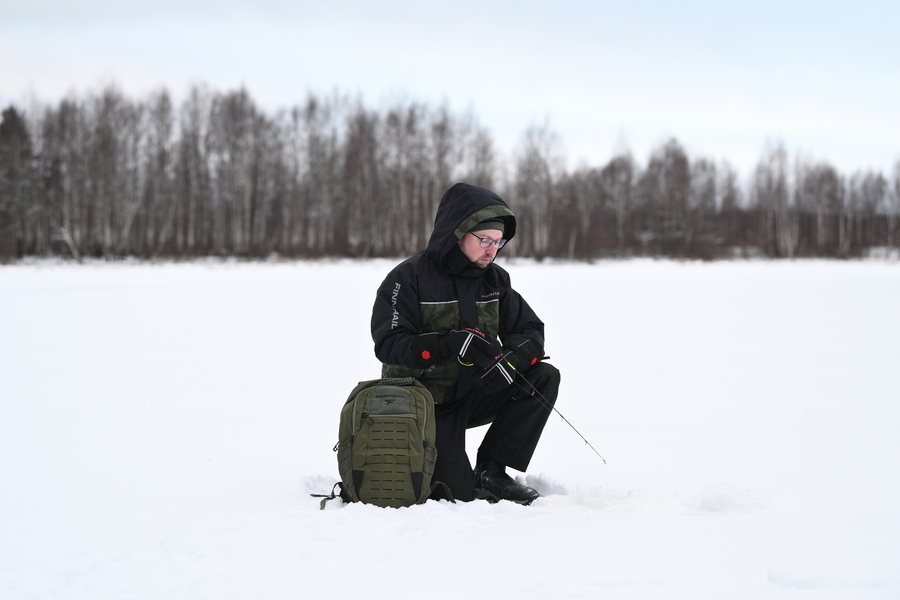
Before diving into advanced tactics, you need to grasp how the sport works. So, how do you ice fish? At its core, ice fishing means drilling holes through thick ice, setting up gear over those openings, and presenting bait or lures to fish positioned in cold-water winter patterns. While it sounds simple, success requires preparation, location awareness, and the right equipment.
Professional ice fishing guides emphasize three fundamentals:
-
Safe ice
Always verify ice thickness before stepping out. A minimum of 4 inches of clear ice is needed for foot travel; more is required for snowmobiles or shelters. -
Quality gear
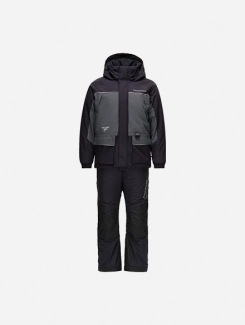
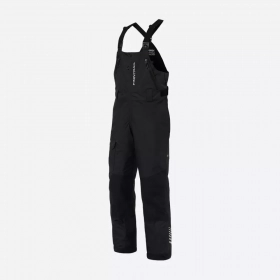
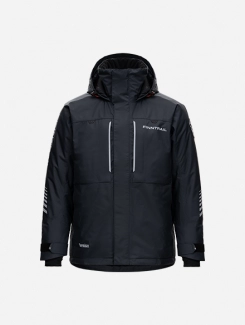
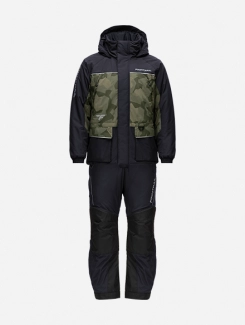
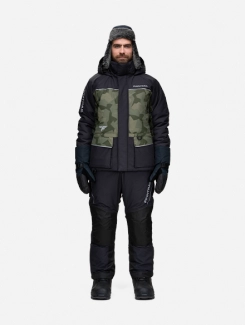
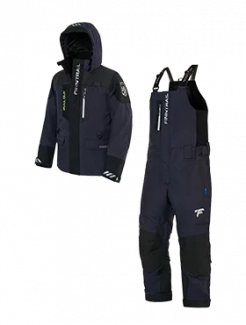
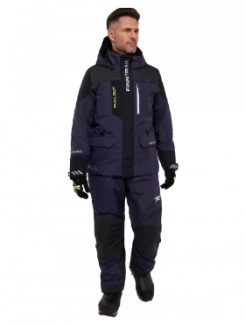
Insulated clothing, a reliable auger, an ice scoop, rods, reels, tackle, and a sled are essential. -
Fish behavior
Species like perch, walleye, pike, and trout behave differently in winter. Understanding how they move beneath the ice increases your odds dramatically.
Choosing the Right Location
A major advantage of hiring an ice fishing guide is their ability to put you on productive locations quickly. But if you’re venturing on your own, here’s what experienced anglers recommend:
1. Structure Matters
Fish relate to underwater structure in winter, just as they do in open water. Points, weed edges, drop-offs, and humps often hold feeding fish.
2. Oxygen Levels
As winter progresses, aquatic vegetation dies off, lowering oxygen levels in shallow water. Fish frequently move deeper later in the season.
3. Early Ice vs. Late Ice
-
Early ice: fish are active and often found shallower.
-
Mid-winter: expect slower bites and deeper patterns.
-
Late ice: increased oxygen and sunlight bring fish back toward shallow areas.
Whether you’re referencing fish on ice fishing guides or scouting yourself, understanding seasonal patterns dramatically boosts your results.
Gear Essentials for a Successful Trip
Every serious angler builds a tailored ice fishing kit, yet most successful setups include:
Ice Auger
Hand, electric, and gas augers each have benefits. Many ice fishing guides now prefer electric augers for reliability and reduced weight.
Rod and Reel
Short ice rods (24–36 inches) provide sensitivity. Light or ultralight rods excel for panfish; medium or medium-heavy setups are ideal for walleye and pike.
Shelter
Pop-up shelters protect from wind and allow long sessions on the ice.
Electronics
Modern sonar units and underwater cameras let you see what’s happening below you. These tools show fish depth, bottom structure, and how fish react to your lure.
Bait and Lures
Common options include:
-
live minnows
-
waxworms
-
jigging spoon
-
small tungsten jigs
-
blade baits
Knowing how to present them is key to learning how to catch fish ice fishing effectively.
How to Catch Fish Ice Fishing: Proven Techniques
Catching fish through the ice requires more finesse than open-water angling. Fish are sluggish, cautious, and often tight to the bottom. Here are the strategies ice fishing guides consistently rely on.
1. Jigging Technique
Use short, controlled lifts of the rod tip. Pause frequently to give fish time to strike. Many bites occur when the lure is motionless.
2. Match the Mood of the Fish
If fish appear active on sonar, try aggressive jigging spoons. If they seem neutral or hesitant, switch to smaller tungsten jigs with live bait.
3. Use Setlines or Tip-Ups
Tip-ups allow you to fish multiple holes at once, increasing your chances of encountering roaming predators like pike.
4. Stay Mobile
Drill multiple holes and hop between them. The best ice fishing guides rarely stay in one place for too long if the fish aren’t biting.
5. Watch the Weather
Barometric pressure, temperature swings, and incoming storms all influence feeding behavior. Stable weather often produces the best bite.
Tips From Professional Ice Fishing Guides
If you were sitting beside a seasoned ice fishing guide, here are the top insights you’d hear:
Use Light Line
Cold water is clear, and fish are finicky. The four-pound test is perfect for panfish; use six to eight pounds for walleye.
Keep Your Hole Clean
Use an ice scoop regularly to keep slush from interfering with your line and presentation.
Stay Warm and Alert
Comfort increases focus. The more comfortable you are, the longer and more effectively you can fish.
Check Regulations
Many regions have species-specific restrictions or slot limits. Responsible anglers stay informed and follow all rules.
Sharpen Your Hooks
Cold temperatures and hard water conditions dull hooks faster than you think.
Safety: The Most Important Part of Ice Fishing
Even expert ice fishing guides treat ice safety as non-negotiable. To ensure a safe outing:
-
Test ice thickness frequently.
-
Carry ice picks. They help you pull yourself out if you fall through.
-
Fish with a partner.
-
Keep distance between heavy equipment.
-
Wear flotation gear or a life jacket.
No fish is worth taking unnecessary risks.
Common Mistakes Beginners Make
New anglers asking, “How do you ice fish correctly?” often run into avoidable errors:
Fishing only one hole
Mobility is essential—don’t camp over an empty spot.
Using too big of a lure
Winter fish prefer small, subtle presentations.
Ignoring subtle bites
Fish often inhale bait gently in cold water. Watch your rod tip closely.
Not checking depth
Set your bait precisely within the strike zone — often just inches above the bottom.
Following this guide and learning from professional ice fishing guides helps eliminate these common early obstacles.
Final Thoughts: Mastering Ice Fishing With the Right Approach
Whether you're studying fish on ice fishing guides, heading out with a professional, or taking your first solo trip, ice fishing offers a rewarding blend of sport and serenity. With the right preparation, equipment, techniques, and respect for nature, anyone can enjoy productive days on the ice.
Remember, successful ice fishing isn’t just about drilling a hole—it’s about understanding seasonal fish behavior, choosing prime locations, mastering presentations, and staying safe. Now that you’ve learned how to catch fish ice fishing, it’s time to put your skills into practice and experience the excitement firsthand.
Bundle up, get your gear ready, and embrace the thrill of winter angling!