+1 561 855 1409
 ATV Trail Risks Every Rider Needs to Understand
RAll-terrain vehicles provide freedom, adrenaline, and access to terrain most vehicles can’t reach—but that excitement comes with real risk. ATVs are often questioned for their safety and how their dangers compare to other outdoor activities. The short answer is that ATVs can be dangerous; however, most accidents are preventable when riders understand the risks and take steps to avoid them.
This guide breaks down the most common ATV trail hazards, explains why ATVs are so dangerous in certain conditions, and provides practical tips to reduce the dangers of ATV riding while still enjoying the sport responsibly.
Are ATVs Dangerous? Understanding the Real Risks
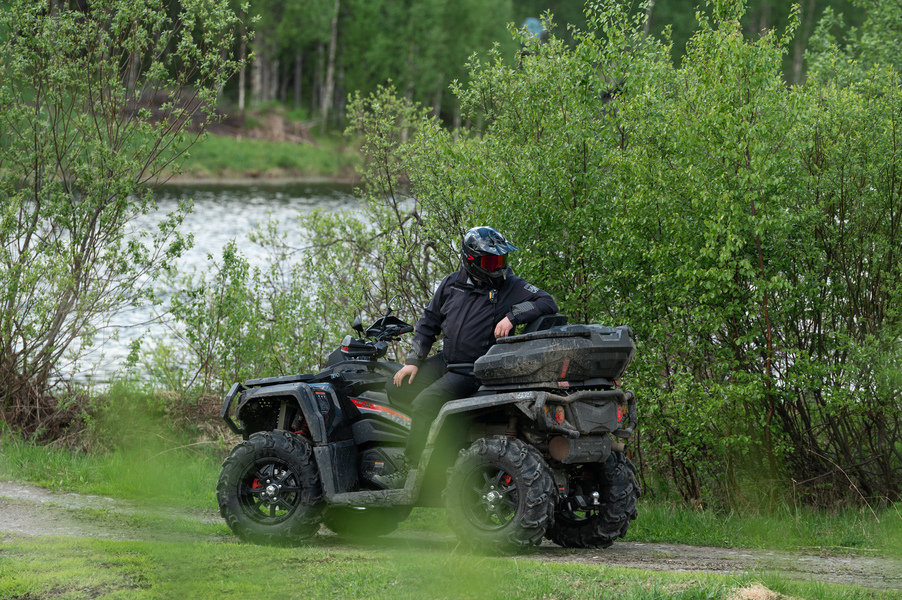
ATVs are powerful machines with a high center of gravity, no protective cabin, and the ability to reach high speeds on uneven terrain. This combination makes ATV riding dangerous when riders lack training, proper gear, or situational awareness.
Statistics consistently show that ATV accidents often involve:
-
Rollovers
-
Head injuries
-
Ejections
-
Collisions with obstacles or other riders
So when people ask why ATVs are so dangerous, the answer usually comes down to terrain unpredictability, rider behavior, and machine limitations.
1. Uneven Terrain and Hidden Obstacles
One of the most common ATV dangers on trails is uneven ground. Rocks, tree roots, ruts, and sudden drops can easily destabilize an ATV.
Why it’s dangerous:
-
ATVs can tip or roll when one wheel suddenly drops
-
Hidden obstacles may not be visible until it’s too late
-
Loose gravel reduces traction
How to avoid it:
-
Ride at controlled speeds, especially on unfamiliar trails
-
Scan 10–20 feet ahead instead of focusing only on the ground directly in front of you
-
Stand on the foot pegs when navigating rough terrain to improve balance
Uneven terrain is a major reason people ask if ATV riding is dangerous, especially for beginners.
2. Trail Blind Corners and Limited Visibility
Blind corners are a serious but often underestimated danger of ATV riding.
Why it’s dangerous:
-
Other riders, hikers, or wildlife may be approaching from the opposite direction
-
Trees and terrain limit reaction time
-
Speed compounds the risk
How to avoid it:
-
Slow down before every blind turn
-
Use a horn or verbal signal when approaching corners
-
Stay to the right side of the trail
Collisions are one of the main reasons ATVs are considered dangerous, even on designated trails.
3. Steep Hills and Inclines
Hill climbs and descents look thrilling, but they’re also one of the biggest reasons people believe ATV riding is dangerous.
Why it’s dangerous:
-
ATVs can flip backward on steep climbs
-
Loss of braking control on descents
-
Shifting weight incorrectly increases rollover risk
How to avoid it:
-
Shift your weight forward when climbing and backward when descending
-
Avoid sudden throttle changes
-
Never climb a hill you can’t see over
Many fatal accidents occur on hills, reinforcing the belief that ATVs are dangerous when used improperly.
4. Mud, Water Crossings, and Slippery Surfaces
Mud and water may look fun, but they significantly increase ATV dangers.
Why it’s dangerous:
-
Tires lose traction quickly
-
Water depth is often deceiving
-
Hidden rocks or logs can cause rollovers
How to avoid it:
-
Test water depth before crossing
-
Maintain steady throttle—don’t spin tires
-
Avoid riding alone in muddy areas
Slippery surfaces are a big reason people ask how dangerous are ATVs in off-road conditions.
5. Wildlife Encounters
Wild animals can appear suddenly on trails, especially during early morning or evening rides.
Why it’s dangerous:
-
Sudden swerving can cause loss of control
-
Large animals like deer or elk can cause severe collisions
How to avoid it:
-
Reduce speed in wooded or low-visibility areas
-
Avoid riding at dusk or dawn if possible
-
Never chase or provoke wildlife
Unexpected wildlife encounters contribute to the overall dangers of ATV riding, especially in remote areas.
6. Fatigue and Overconfidence
Many experienced riders underestimate how fatigue increases ATV danger.
Why it’s dangerous:
-
Slower reaction times
-
Poor judgment
-
Increased risk-taking behavior
How to avoid it:
-
Take regular breaks
-
Stay hydrated
-
Know when to stop riding
Fatigue-related accidents often answer the question, are ATVs dangerous to ride for long periods?—yes, when riders ignore their limits.
7. Inadequate Protective Gear
One of the biggest reasons ATV riding is dangerous is the lack of proper safety equipment.
Why it’s dangerous:
-
Head injuries are common without helmets
-
Exposed arms and legs increase injury severity
How to avoid it:
-
Always wear a DOT-approved helmet
-
Use gloves, goggles, boots, and protective clothing
-
Consider chest and knee protection
Protective gear doesn’t prevent accidents — but it dramatically reduces injury severity, addressing many concerns about ATVs being dangerous.
8. Riding Beyond Skill Level
Many accidents happen when riders attempt terrain or maneuvers beyond their experience.
Why it’s dangerous:
-
Poor throttle and brake control
-
Panic reactions in difficult situations
How to avoid it:
-
Take an ATV safety course
-
Practice in controlled environments
-
Gradually progress to harder trails
Skill mismatch is a key reason people say ATVs are dangerous, especially for beginners.
Final Thoughts
ATVs are powerful tools designed for rough terrain, and with that power comes responsibility. The real danger lies not in the machine, but in poor decisions, lack of preparation, and underestimating trail hazards.
When people ask why are ATVs so dangerous or how dangerous are ATVs, the answer is clear: most accidents stem from preventable mistakes. By understanding trail hazards, wearing proper gear, riding within your limits, and respecting the terrain, you can significantly reduce the dangers of ATV riding.
ATV riding doesn’t have to be dangerous—it just has to be done right.
Ride smart, ride prepared, and enjoy the trail safely.