+1 561 855 1409
 Core Techniques Every Snowmobiler Should Master
Snowmobiling is more than just twisting the throttle and enjoying the winter scenery. Whether you ride groomed trails, deep powder, or technical backcountry terrain, developing the right skills can dramatically improve your safety, confidence, and overall enjoyment. From basic control techniques to advanced mountain strategies, mastering these skills will help you get the most out of your machine and become the best riding snowmobile enthusiast you can be.
Below are essential skills and snowmobile riding tips that every rider — beginner to advanced — should focus on improving.
Mastering Body Position and Balance
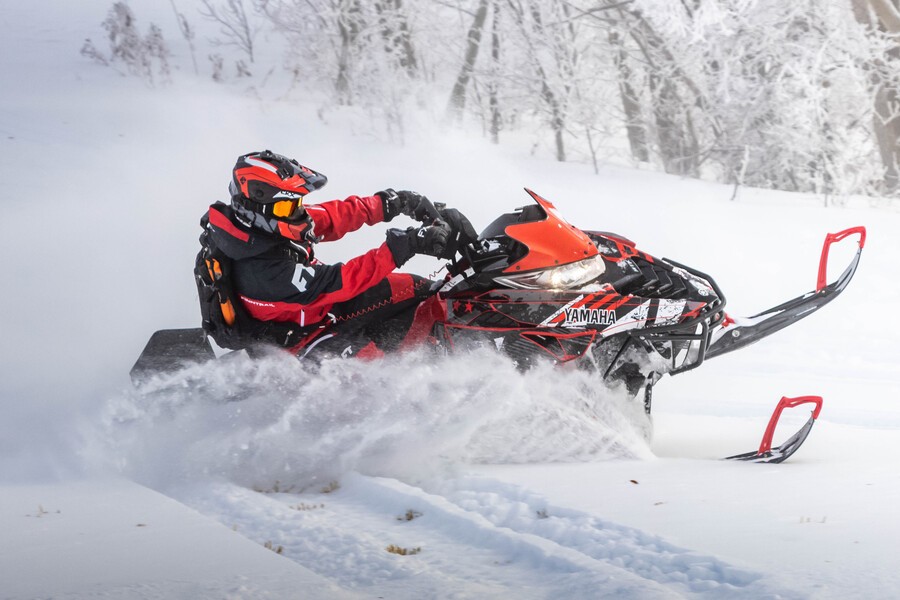
One of the most overlooked aspects of snowmobile riding is body positioning. Proper balance allows you to control the sled instead of letting it control you.
When riding on trails, keep your knees slightly bent and your body relaxed. This helps absorb bumps and reduces fatigue. In deeper snow or uneven terrain, stand up when needed and shift your weight to maintain traction and steering control.
For sidehilling or mountain riding, lean uphill and keep your center of gravity aligned with the sled. These snowmobile mountain riding tips are crucial for avoiding tip-overs and maintaining momentum in technical terrain.
Throttle Control and Smooth Acceleration
Throttle control separates inexperienced riders from skilled ones. Smooth acceleration improves traction and prevents unnecessary track spin, especially in deep snow.
Avoid sudden throttle inputs unless absolutely necessary. Instead, roll on the throttle gradually and maintain consistent power. This technique is particularly important when climbing hills or navigating powder, where maintaining momentum is key.
Learning when to feather the throttle versus when to commit fully is a core skill that contributes to becoming the best riding snowmobile operator in any condition.
Turning Techniques for Different Terrain
Turning a snowmobile correctly depends on where and how you ride.
On groomed trails, initiate turns by leaning slightly into the corner and applying steady throttle. Keep your eyes focused on where you want to go, not directly in front of your skis.
In deep snow or off-trail riding, turns require more body movement. Shift your weight to the outside running board, counter-steer with the handlebars, and use throttle to help pivot the sled. These are foundational snowmobile riding tips that greatly improve control and reduce rider fatigue.
Reading Snow and Terrain Conditions
Advanced riders don’t just react — they anticipate. Learning to read snow conditions can prevent accidents and help you choose better lines.
Watch for changes in snow texture, color, and density. Wind-blown areas may be hard-packed, while shaded zones often hide deeper powder. In mountain terrain, understanding slope angle and snow stability is critical.
Among the most important snowmobile mountain riding tips is recognizing avalanche-prone terrain and knowing when to avoid it altogether.
Hill Climbing and Sidehilling Skills
Hill climbs are thrilling but demand proper technique. Approach hills with enough speed to maintain momentum, keep your weight forward, and commit to your line. Hesitation often leads to getting stuck or losing control.
Sidehilling requires precision and balance. Keep steady throttle, lean uphill, and make small steering adjustments. Practicing these skills regularly will significantly increase your confidence and help you handle more advanced terrain safely.
Braking and Emergency Maneuvers
Knowing how to stop effectively is just as important as knowing how to go. Practice using both engine braking and your hand brake, depending on the situation.
In emergency situations, remain calm, reduce throttle, and steer away from obstacles rather than fixating on them. These practical snowmobile riding tips can prevent collisions and improve reaction time in high-stress scenarios.
Physical Conditioning and Endurance
Snowmobiling — especially mountain riding — is physically demanding. Strengthening your legs, core, and upper body will improve your control and reduce fatigue during long rides.
Cardio fitness also matters. Better endurance means sharper focus and quicker reactions, helping you ride longer and safer. Many riders overlook this, but physical preparedness is a key factor in becoming the best riding snowmobile enthusiast.
Continuous Practice and Skill Progression
No rider masters everything overnight. Choose one or two skills to focus on each ride, whether it’s tighter turns, smoother throttle control, or better balance.
Ride with more experienced snowmobilers when possible and observe their techniques. Consistent practice, paired with these proven snowmobile mountain riding tips, will steadily elevate your riding ability.
Conclusion
Improving your snowmobile riding skills is a journey that combines technique, awareness, and experience. By focusing on body positioning, throttle control, terrain reading, and physical conditioning, you’ll ride with more confidence and control in any environment.
Apply these snowmobile riding tips consistently, especially when venturing into challenging backcountry terrain. With time and practice, you’ll not only ride safer — you’ll truly understand what it means to be the best snowmobile rider on the snow.