+1 561 855 1409
 Fishing Tactics for Cold Weather: Expert Tips, Tactics, and Lure Choices for Winter Anglers
Fishing in cold weather can be a challenge, but for anglers who embrace winter conditions, it’s also a season filled with opportunity. When water temperatures drop and fish become sluggish, success depends on understanding how winter affects fish behavior and how to adjust your strategy accordingly. This guide covers everything you need to know for a productive, enjoyable trip.
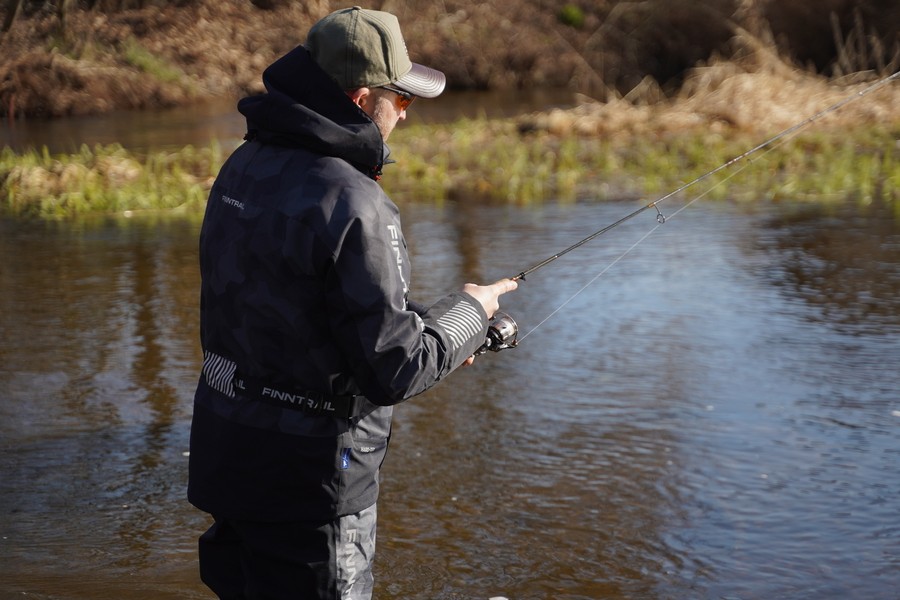
Is Cold Weather Good for Fishing?
Many anglers assume winter shuts fishing down entirely, but the truth is more nuanced. Cold water dramatically slows fish metabolism, meaning they feed less frequently and move with caution. But they do feed, and often predictably. This can give prepared anglers a real advantage:
-
Fewer competitors on the water
-
Highly patterned fish locations
-
Larger, more opportunistic strikes
-
Clearer water in many systems
Winter fishing requires patience, precision, and the right tactics — not brute force or endless fast retrieves.
What Fish Bite in Cold Weather?
A common question among winter anglers is what fish bite in cold weather. Surprisingly, plenty of species remain active:
1. Bass (Largemouth & Smallmouth)
Bass slow down but still feed, especially around structures and deeper holes. Cold weather bass fishing is completely doable with the right techniques.
2. Trout
Cold weather trout fishing can be phenomenal. Trout prefer cool water, so winter often brings some of the season’s strongest action.
3. Walleye
Walleye remain active throughout winter, especially during low-light periods.
4. Pike & Muskie
Predators like pike handle cold very well and often hunt aggressively.
5. Saltwater Species
Many anglers forget about saltwater fishing during cold weather, but striped bass, redfish, sheepshead, and speckled trout remain active in cooler months.
Can You Fish in Cold Weather?
With proper gear and strategy, yes. Winter fishing is both possible and rewarding, but preparation is essential:
-
Wear moisture-wicking base layers
-
Use insulated gloves that allow dexterity
-
Bring handwarmers
-
Always check ice conditions when ice fishing
-
Avoid fishing alone in extreme cold
Safety first ensures every trip remains productive and enjoyable.
How to Fish in Cold Weather
Fish behavior changes drastically when temperatures fall, so understanding how to fish in cold weather is key.
1. Slow Down Everything
Retrieve slowly. Present your lure with minimal movement. Let the water dictate the pace.
2. Downsize Your Bait
Smaller prey is easier for slow-moving fish to target.
3. Fish Deep Water
Most species move to deeper, stable-temperature areas.
4. Use Natural Colors
Clear winter water usually calls for subtle, realistic patterns.
5. Fish During Warm Windows
Solar heating during midday often sparks feeding.
Cold Weather Bass Fishing Tips
Winter bass aren’t aggressive, but they are predictable. Use these bass fishing tips to increase your chances:
1. Target Deep Ledges and Drop-Offs
Bass winter in deeper water — often 15–40 feet depending on the region.
2. Use Finesse Presentations
A few reliable techniques include:
-
Drop shot
-
Ned rigs
-
Jig-and-craw combos
-
Slow-rolling spinnerbaits
3. Look for Rocky Bottoms
Rocks hold heat longer, attracting colder bass.
4. Pause—Then Pause Longer
A long pause can be the difference between a strike and a near-miss.
Cold Weather Trout Fishing Techniques
Trout thrive in cold water, but they still behave differently during winter.
Key strategies include:
-
Using micro-jigs, nymphs, and small spinners
-
Targeting deeper pools where trout conserve energy
-
Fishing midday when insect activity increases
-
Keeping presentations subtle and natural
If you love fly fishing, winter can be a rewarding challenge.
Cold Weather Fly Fishing
Cold weather fly fishing demands precision and patience. Winter hatches are often tiny, requiring small nymphs or midges (#18–#24). Key methods include:
-
Indicator nymphing: the most reliable winter technique
-
Euro nymphing: excellent for deep, slow water
-
Streamer fishing: slow, long strips for lethargic fish
Dress warmly, wade carefully, and focus on deep winter lies where trout stack together.
Cold Weather Saltwater Fishing
Saltwater anglers have great winter opportunities — especially in coastal bays, inlets, and tidal rivers.
Productive species include:
-
Striped bass
-
Black drum
-
Redfish
-
Sheepshead
-
Speckled trout
Focus on deeper channels, warm-water discharges, and tidal transitions. Slow presentations with soft plastics or shrimp imitate winter forage perfectly.
Best Cold Weather Fishing Lures
When choosing the best cold weather fishing lures, prioritize subtle, compact, and slow-moving baits.
1. Jigs
Universal and highly effective for winter bass, walleye, and trout.
2. Blade Baits
Vibration attracts sluggish predators.
3. Soft Plastics (Finesse Worms, Grubs, Ned Plastics)
Downsized options work extremely well in winter.
4. Spoons
Ideal for trout and saltwater species.
5. Streamers (for fly fishing)
Try small, natural-color streamers with dead-drift or slow-strip presentations.
6. Live Bait
Minnows, nightcrawlers, shrimp, or waxworms remain top producers when fish metabolism is low.
Fishing in Cold Weather Tips
Whether you’re a beginner or veteran angler, these practical fishing in cold weather tips can dramatically improve success:
1. Keep Your Gear Warm
Cold line tangles more easily; keep spools covered and warm.
2. Use Fluorocarbon
It sinks faster and reacts better in cold water.
3. Stay Quiet
Winter’s clear water and calm conditions magnify noise.
4. Fish Vertical
Vertical jigging is one of the most consistent winter techniques.
5. Use Electronics (If Applicable)
Fish group tightly in winter—find one school, and you'll have action all day.
Is It Better to Fish in Cold or Warm Weather?
Both seasons have advantages.
Cold Weather Advantages
-
Less fishing pressure
-
Clearer water
-
Predictable fish locations
-
Larger, more opportunistic predators
Warm Weather Advantages
-
Higher fish metabolism
-
Faster, more aggressive strikes
-
Topwater action
Ultimately, neither is “better” — they simply require different approaches. Winter rewards patience and precision, while summer rewards speed and exploration.
Fishing Tips for Cold Weather
Here’s a rapid list of fishing tips for cold weather that anglers should remember:
-
Slow your retrieve
-
Downsize lures
-
Fish deep structure
-
Target midday warmth
-
Use natural colors
-
Keep gear dry and warm
-
Be patient—winter strikes are subtle
Conclusion: Mastering Fishing in Cold Weather
Fishing in cold weather may feel intimidating, but with the right strategy, winter can become one of your most productive seasons. Whether you're diving into cold weather bass fishing, exploring cold weather fly fishing, or testing your skills with trout or saltwater species, the key is slowing down, staying warm, and adapting to fish behavior.
Winter fishing isn’t just possible — it can be thrilling, peaceful, and incredibly rewarding. Grab your gear, bundle up, and embrace the cold. The fish are still biting—you just have to know how to meet them on their terms.