+1 561 855 1409
 Five Ways to Catch More Fish in the Winter
Winter may not be every angler’s favorite season, but those who know how to catch fish in the winter often discover that the cold months can deliver some of the most rewarding days on the water. With fewer boats, less pressured fish, and crystal-clear water, winter creates an environment where a patient, well-prepared angler can thrive.
Whether you are planning one of the best winter fishing trips of your life or simply heading to the nearest pond, this comprehensive winter fishing guide will walk you through effective techniques, gear adjustments, and the best fish to catch.
Below are five proven strategies to help you catch more fish all season long.
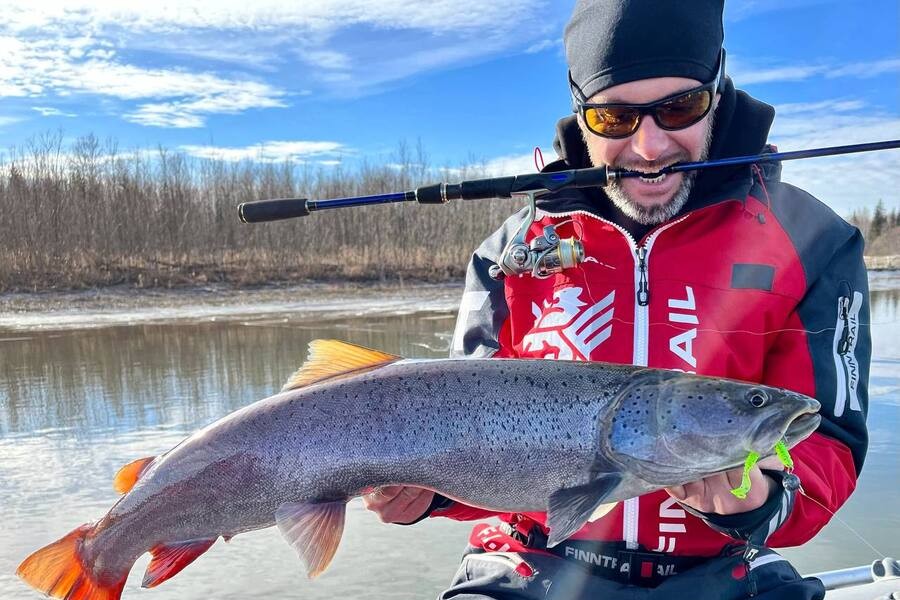
1. Slow Down and Downsize Your Presentation
When the water gets cold, fish metabolism slows dramatically. This means the same aggressive retrieve or large lure you used in summer won’t produce the same results. The key to catching fish in winter is to slow everything down.
Why slowing down works
Cold-water fish conserve energy and avoid chasing fast-moving prey. By downsizing your lure and slowing your retrieve, you create an easy, energy-efficient meal they can’t resist.
Techniques to try
-
Slow, steady retrieve with small swimbaits or jigs
-
Vertical jigging for suspended fish
-
Dragging finesse plastics along the bottom
-
Suspending jerkbaits, paused for long stretches
These approaches match natural winter behavior and dramatically increase your catch rate.
2. Target the Species Best Suited for Cold Weather
Some species remain highly active in low water temperatures, while others become difficult to catch until spring. Focusing on the best fish to catch in winter will save time and boost your success.
Easiest fish to catch in winter
These species feed reliably even during cold snaps:
-
Trout – perfect for rivers and lakes; respond well to slow presentations
-
Walleye – prime winter feeders, especially at dawn and dusk
-
Panfish (crappie, bluegill) – consistently active and ideal for beginners
-
Northern pike – aggressive predators that strike even in icy water
Other fish to catch in winter
Depending on your region, additional options include striped bass, perch, and various stocked species. By understanding seasonal behavior, you increase your odds and plan more productive winter fishing trips.
3. Master Key Winter Fishing Locations
One of the biggest differences in how to catch fish in the winter is knowing exactly where to look. As temperatures drop, fish congregate in predictable areas where they can conserve energy while staying comfortable.
Winter hot spots
-
Deep holes and channels – fish settle where temperature remains stable.
-
Sun-warmed shorelines – afternoon sun heats shallow structure, attracting baitfish and predators.
-
Slow current seams – ideal for trout and other river species.
-
Submerged timber and rock piles – winter fish love secure structures.
-
Drop-offs and ledges – perfect places to use vertical winter fishing techniques.
Locating the right structure is often more important than lure choice, especially when the bite is subtle. Use electronics when possible, but even simple shoreline scouting can reveal productive winter zones.
4. Use Specialized Winter Fishing Techniques
Success in cold weather depends on using methods tailored to winter conditions. Here are a few of the most effective winter fishing techniques for both spin and fly anglers.
Vertical Jigging
This is one of the most consistent methods for catching fish in winter, especially in deep lakes. Small spoons, ice jigs, and tungsten lures work well. Keep movements tight and subtle.
Float and Dropper Rig
Perfect for panfish, trout, and walleye. Position your bait just above the bottom and let it sit nearly motionless. Slow, delicate bites are common.
Slow-Rolling Swimbaits
Cast a small paddle-tail swimbait and reel it as slowly as possible while still keeping the tail moving. This is deadly for bass and walleye.
Winter Fly Fishing Techniques
Fly anglers can thrive in winter by switching to:
-
Nymphing rigs (midge, pheasant tail, hare’s ear)
-
Small streamers fished very slowly
-
Euro-nymphing techniques for tight-line sensitivity
-
Dry flies during rare midge hatches
Winter fish rarely dart far to eat, so precise drifts and subtle presentations matter far more than in summer.
5. Plan the Right Gear and Safety Setup
The cold brings unique challenges, and being properly prepared can turn a tough day into a successful one.
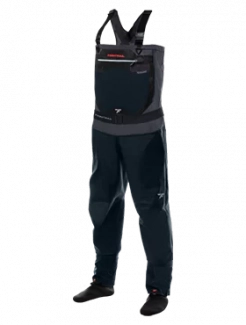
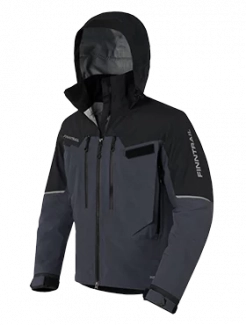
Cold-Weather Clothing
Layering is essential. Use:
-
Thermal base layers
-
Insulated waterproof outerwear
-
Warm gloves that still allow dexterity
-
Windproof face protection
Staying warm helps you remain focused longer, which directly increases your chances of success.
Winter Fishing Gear Tips
-
Use light lines for more natural presentations and less visibility in clear winter water.
-
Sharpen hooks frequently, as cold fish often bite lightly.
-
Choose slower gear ratios when necessary to prevent overpowering your retrieve.
-
Bring extra batteries for electronics—cold drains power faster.
Quality prep ensures every cast counts and makes your best winter fishing trips more enjoyable.
Bonus: Choosing Your Best Winter Fishing Trips
If you're planning travel specifically for winter angling, consider destinations known for cold-season action:
-
Tailwater trout rivers with stable winter flows and temperatures
-
Northern ice-fishing lakes for walleye, perch, and pike
-
Coastal winter striped bass runs
-
Mountain streams with reliable midge hatches
Whether you prefer fly rods or spinning gear, these regions offer consistent action and memorable winter experiences.
Final Thoughts
Learning how to catch fish in the winter is a rewarding challenge that sharpens your overall skills as an angler. By slowing down your presentation, targeting the best fish to catch, reading structure, applying the right fishing techniques, and preparing your gear for cold weather, you can enjoy some of your most productive days of the year—even when temperatures drop.
Winter rewards patience, precision, and planning. Put these five strategies to work, and you’ll be well on your way to catching more fish in winter than ever before.