+1 561 855 1409
 Planning Your First Off-Road Trip with Friends: Gear, Prep & Pitfalls
Heading out on your first off-road trip with friends is an unforgettable experience—equal parts adventure, challenge, and bonding. Whether you're exploring forest trails, rocky passes, or deserts, off-road travel rewards those who prepare well and punishes those who don’t. A great outing can quickly turn into a stressful one if you’re missing the right gear, underestimate a trail, or forget key planning steps.
This guide walks you through everything you need to plan a successful off-road adventure: essential gear, smart preparation, common pitfalls, and tips for easy coordination—especially for multi day off-road trips.
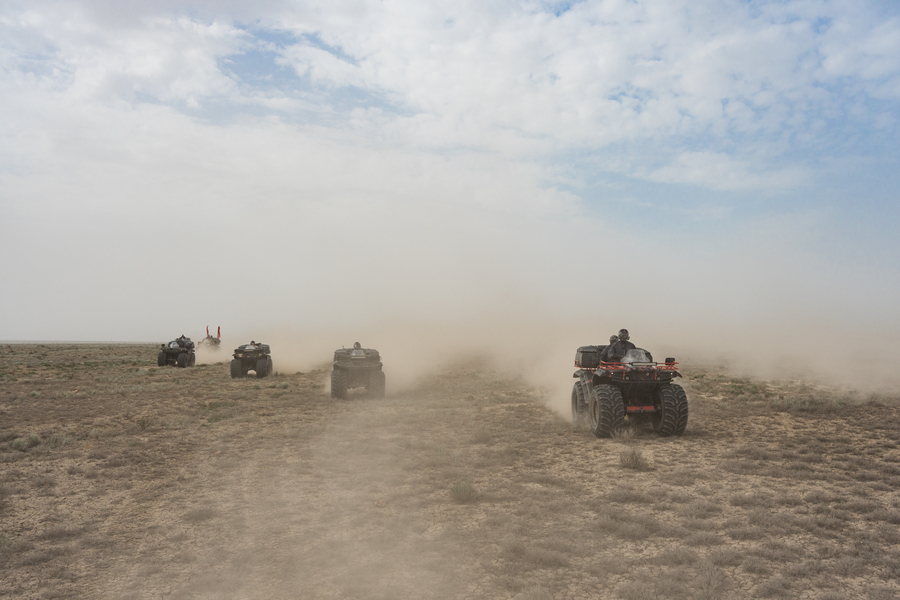
1. Start with the Right Plan
Before diving into gear lists and recovery tools, get your core plan in place.
Choose a Trail That Matches Your Group’s Skill Level
For a first off-road trip, avoid overly technical or remote trails. Look for:
-
Well-mapped routes
-
Moderate difficulty ratings
-
Access to nearby towns or ranger stations
-
Trails with enough space for multiple vehicles
Websites and off-road forums typically list trail difficulty and conditions. When traveling as a group, always plan based on the least experienced driver.
Know Your Route (and Backup Routes)
Download maps offline. Cell service is unreliable on most off-road trails.
Use resources like:
-
Gaia GPS
-
OnX Offroad
-
Google Maps offline mode
Have a “Plan B” in case your primary route becomes impassable due to weather or obstacles.
2. Inspect and Prepare Your Vehicle
Successful off-road travel begins long before you hit the dirt. Mechanical issues are the #1 reason off-road groups get stranded.
Perform a Full Pre-Check
Inspect:
-
Tires (including spare)
-
Suspension
-
Brakes
-
Battery and alternator
-
Hoses and belts
-
Oil and fluid levels
Equip Your Vehicle for the Terrain
A fully built rig isn’t required, but a few essentials make a huge difference:
Must-haves
-
All-terrain or mud-terrain tires
-
Recovery points (front and rear)
-
Full-size spare tire
-
Tire repair kit
-
Portable air compressor
Nice-to-have upgrades
-
Light bars or auxiliary lighting
-
Skid plates
-
Rock sliders
-
Winch (especially for multi day off-road trips)
Make sure every vehicle in the group is capable of completing the trail. One weak link affects everyone.
3. Pack Smart: Essential Off-Road Gear
Your off-road gear checklist should cover safety, recovery, navigation, and comfort.
Recovery Gear
This is non-negotiable:
-
Tow straps / kinetic recovery ropes
-
Shackles or soft shackles
-
Traction boards
-
Shovel
-
Hi-lift or bottle jack
-
Tire deflator kit
Even experienced drivers get stuck—don’t skip this gear.
Navigation and Communication
Reliable communication keeps everyone safe and coordinated.
-
GPS device or offline apps
-
GMRS/FRS radios (far better than phones)
-
Satellite communicator for remote multi-day routes
-
Paper map backup
Vehicle Essentials
-
Basic tool kit
-
Fuses
-
Jump starter
-
Fluids (oil, coolant, brake fluid)
-
Fire extinguisher
Camping and Overnight Gear (for Multi-Day Trips)
If you’re planning multi day off-road trips, pack for comfort and survival:
-
Tent or rooftop tent
-
Sleeping bag rated for the season
-
Camp stove and cookware
-
Water containers or filtration system
-
Cooler or 12V fridge
-
Headlamps and lanterns
Food & Hydration
Bring 1.5–2 gallons of water per person per day.
Choose meals that store well and are easy to cook:
-
Pre-marinated meats
-
Instant rice or pasta
-
Trail bars, nuts, dehydrated meals
Good meals make a huge difference on long trails.
4. Travel as a Coordinated Group
Off-roading with friends is safer and more fun, but it requires coordination.
Establish Roles
Assign a:
-
Lead vehicle—experienced navigator
-
Sweep vehicle — stays at the back to help anyone falling behind
-
Spotter — guides drivers through obstacles
Use Proper Radio Etiquette
Clear communication prevents confusion and keeps the group moving.
Examples:
-
“Stopping to check an obstacle.”
-
“Slow down for the washboard.”
-
“Vehicle behind me, catch up—we lost sight.”
Keep a Manageable Pace
The lead driver should maintain speed that the slowest vehicle can sustain safely. Long, spread-out groups become safety risks.
5. Understand Trail Etiquette & Safety
Trail etiquette is essential for safe and respectful off-road travel.
Stay on Designated Trails
Off-trail driving damages ecosystems and can lead to closures.
Yield Properly
-
Uphill traffic usually has the right of way
-
Motorized vehicles yield to hikers, horses, and bikes
-
Give passing space when possible
Leave No Trace
Pack out everything—including food scraps, cans, and broken gear.
6. Common Pitfalls First-Time Off-Roaders Encounter
Even well-prepared groups can make avoidable mistakes. Watch for these:
-
Bringing Too Little Water. Dehydration is one of the most common issues on summer off-road routes.
-
Underestimating Recovery Needs. Even mild trails can become challenging with rain, mud, or snow.
-
Not Checking Weather. Flash floods, heavy winds, and early snowfall can trap vehicles unexpectedly.
-
Improper Tire Pressureю Over-inflated tires reduce traction and comfort. Learn how to air down safely based on terrain.
-
Not Testing Gear Before Departure. Always test radios, GPS apps, and tools at home.
-
Poor Time Management. Off-road trails often take longer than expected. Factor in obstacles, photo stops, and group delays.
7. Final Tips for a Memorable Off-Road Adventure with Friends
-
Start early. You want maximum daylight.
-
Budget more fuel than you think you’ll need. Low ranges burn more gas.
-
Stay flexible. Sometimes the adventure lies in the unexpected.
-
Document everything. Photos and videos become great memories later.
-
Debrief at the end. What worked? What would you change for next time?
The more intentional your planning, the smoother and more enjoyable your off-road journey becomes.
Conclusion
Planning your first off-road trip with friends is both exciting and intimidating—but with the right preparation, gear, and mindset, it becomes one of the most rewarding ways to explore the outdoors. Whether you’re cruising through forests, climbing rocky passes, or tackling desert dunes, good planning ensures safety, comfort, and plenty of fun.
As you gain confidence, you may soon find yourself organizing more ambitious multi day off-road trips—the true heart of off-road travel. For now, start with a solid plan, travel with a reliable group, pack the right gear, and embrace the adventure ahead.