+1 561 855 1409
 Techniques for Cold-Water Wading: Staying Safe, Warm, and Effective on the Water
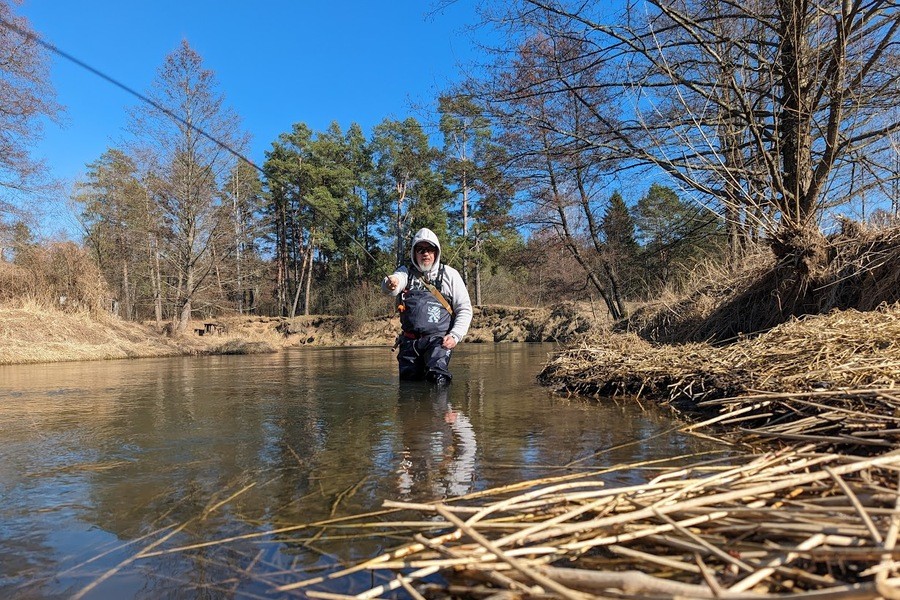
For anglers who don’t hang up their gear when temperatures drop, wading in cold water can unlock entire seasons of opportunity. Winter trout feeding low in the column, early-spring steelhead pushing upriver, or late-fall smallmouth staging in deep runs—all of these scenarios reward those who know how to move confidently through frigid rivers. However, fishing in icy conditions also introduces real challenges: cold stress, limited mobility, slippery substrate, and increased safety risks.
With the right knowledge, gear, and technique, wading in cold water becomes not only manageable but highly rewarding. This guide breaks down proven strategies to help you stay warm, stay safe, and wade efficiently when the water feels like it came straight from a glacier.
1. Layering for Survival: Building an Effective Cold-Water System
Choosing the right layers is the foundation of safe and comfortable cold-water wading. Because moving water pulls heat from the body rapidly, preparation is everything.
Base Layer
Begin with a moisture-wicking synthetic or merino wool base. Cotton should be avoided at all costs—it traps moisture and chills the body.
Insulation Layer
A fleece or heavy mid-weight wool layer provides warmth even when compressed by waders. In deep-winter conditions, many anglers opt for quilted synthetic insulated pants.
Outer Layer
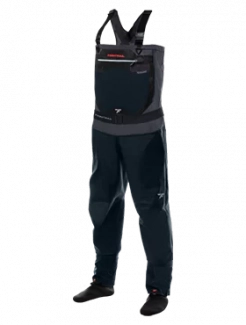
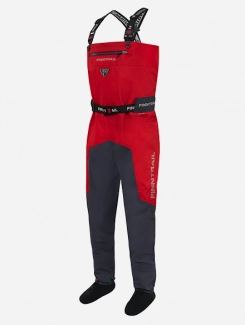
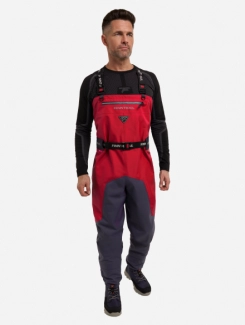
Breathable, waterproof waders are the final barrier between you and frigid flows. Modern breathable waders with reinforced legs are ideal because they keep moisture out without creating internal condensation buildup.
2. Choose the Right Footwear for Stability and Warmth
Wading boots are crucial to safe movement, but cold water demands specific considerations.
Insulated Socks
Thick merino wool socks, paired with a synthetic liner sock, trap heat and reduce friction. Using two layers also reduces the risk of blisters during long days.
Grip Technology
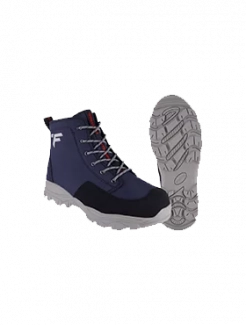
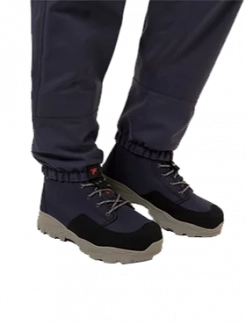
Felt-soled boots still offer the best traction on slick winter rocks, while studded rubber soles excel on mixed terrain and icy banks. In very cold climates, many anglers add removable carbide cleats for extra bite.
3. Master Slow and Deliberate Movement
When wading in cold water, mobility is naturally reduced. Heavy layers, cold-stiffened joints, and unpredictable riverbeds require deliberate steps.
Keep a Low Center of Gravity
Slightly bending at the knees helps maintain balance and distribute weight as you probe the riverbed.
Advance One Foot at a Time
Plant one foot firmly before lifting the other. Never slide your feet—winter rocks are often coated in invisible algae or thin ice that can send you tumbling.
Use a Wading Staff
A collapsible wading staff is your third point of contact, offering stability in fast current and uneven terrain. In cold water, it’s not optional—it’s essential.
4. Understand River Hydrodynamics in Winter Conditions
Cold water moves differently. Snowmelt, freeze-thaw cycles, and shifting substrates create challenging flow patterns.
Read the River Before Entering
Look for slower edges, seams, and soft water—places where footing is safer and fish concentrate in winter.
Avoid Crossing Swift Channels
Cold-water immersion can be dangerous if you fall, and fast channels increase that risk dramatically. Stick to gradual slopes and predictable bottom contours.
Know How Cold Affects Fish Positioning
Fish move to deeper, slower pools in winter. This means you often don’t need—and shouldn’t attempt—to wade too far.
5. Protect Hands, Face, and Extremities
Heat loss is greatest in your extremities, so keeping them warm is critical.
Gloves
Neoprene or wool-blend gloves keep hands functional. Fingerless models help with knot-tying but go for full-coverage gloves when not actively fishing.
Neck and Head Protection
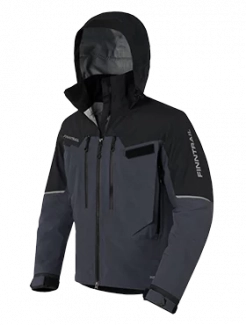
A fleece neck gaiter and insulated hat dramatically reduce heat loss. Consider a waterproof hood for wind and spray.
Chemical Warmers
Single-use warmers placed inside pockets or near your core help maintain circulation on brutally cold days.
6. Use Safety Techniques Designed for Frigid Conditions
Cold-water wading introduces real risks. The following techniques help reduce them:
Wade With a Partner
In winter, always fish with someone else or stay within view of nearby anglers.
Avoid Deep Wading
Frigid water saps energy and balance. Winter fish often hold close to shore anyway, so there’s rarely a need to wade chest-deep.
Learn Cold-Water Response
If you fall in, get out quickly. Strip off wet layers, add dry ones, and warm your core first—not your extremities.
7. Gear Tips for Extended Time in Cold Water
Several small gear changes have a big impact.
Use Wader Belts
A good wader belt prevents cold water from rushing in if you slip.
Keep Essentials in Dry Bags
Whether it’s your phone, keys, or emergency kit, use waterproof storage.
Maintain Your Waders
Check for leaks before winter outings—tiny pinholes feel like icy knives in cold water.
8. Fishing Techniques That Pair With Cold-Water Wading
Wading technique and fishing technique go hand-in-hand during winter.
Slow Down Your Presentation
Fish move sluggishly in cold water. Nymphs, jigs, or streamers worked slowly near the bottom are highly effective.
Stay Stealthy
Winter water is often clearer. By wading quietly and minimizing disturbance, you avoid spooking fish holding in deeper pools.
Choose Productive Holding Zones
Target tailouts, deep troughs, and slow eddies—prime winter habitat where fish conserve energy.
Final Thoughts
Wading in cold water doesn’t have to be uncomfortable or dangerous. With appropriate gear, layered insulation, deliberate movement, and an understanding of winter hydrodynamics, you can stay warm and fish successfully all season long. Cold-water wading is a skill—one that rewards preparation, patience, and respect for the water.
Whether you’re chasing trout, steelhead, or late-season bass, mastering these techniques will help you fish confidently in conditions that keep most anglers at home. The river doesn’t close for winter—and with the right approach, neither do you.