+1 561 855 1409
 The Complete Guide to Winter ATV Storage
As the riding season comes to an end, proper winter storage is essential to keep your ATV in top condition and ready to ride when warmer weather returns. Knowing how to store an ATV for winter helps prevent costly repairs, battery failure, fuel issues, and corrosion caused by cold temperatures and moisture.
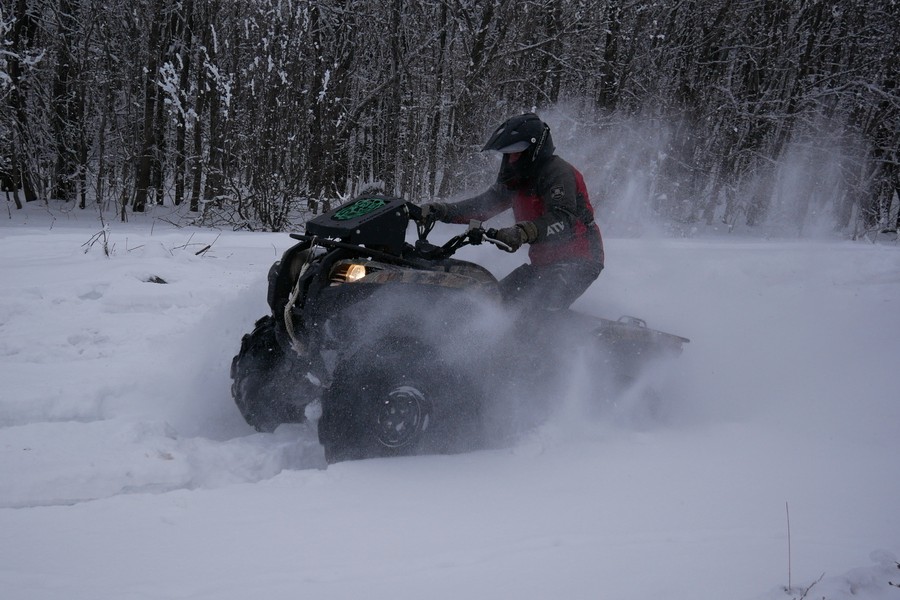
Why Proper ATV Winter Storage Matters
ATVs are built tough, but months of inactivity combined with freezing temperatures can damage critical components. Fuel can degrade, batteries can die, tires can flat-spot, and moisture can cause rust in metal parts. Taking time to winterize your ATV protects your investment and extends its lifespan.
Step 1: Clean Your ATV Thoroughly
Before storage, wash your ATV to remove mud, salt, grass, and debris. Dirt traps moisture and can cause corrosion over time.
-
Use mild soap and water
-
Clean hard-to-reach areas like suspension components and under the fenders
-
Dry the ATV completely to prevent rust
Applying a light coat of silicone spray or corrosion inhibitor to metal parts adds extra protection.
Step 2: Fuel System Preparation
One of the most important steps in how to store an ATV for winter is caring for the fuel system.
Option 1: Use Fuel Stabilizer
-
Fill the fuel tank to prevent condensation
-
Add a high-quality fuel stabilizer
-
Run the engine for several minutes to circulate treated fuel
Option 2: Drain the Fuel (Long-Term Storage)
If your ATV will be stored for several months, draining the fuel and carburetor may be recommended, especially for carbureted models.
Step 3: Change the Oil and Filter
Old oil contains contaminants that can damage internal engine components. Changing the oil before storage ensures your engine is protected throughout the winter.
-
Replace oil and oil filter
-
Run the engine briefly to circulate fresh oil
Step 4: Battery Care
Cold temperatures are hard on batteries. A dead battery is one of the most common springtime problems.
-
Remove the battery if possible
-
Store it in a cool, dry place above freezing
-
Use a battery tender or trickle charger to maintain charge
If you cannot remove the battery, disconnect the negative terminal and use a weatherproof battery maintainer.
Step 5: Tire and Suspension Protection
To prevent flat spots during long storage:
-
Inflate tires to recommended PSI
-
Ideally, raise the ATV on stands to remove weight from tires
-
If stands are unavailable, roll the ATV slightly every few weeks
Step 6: Protect the Engine and Exhaust
-
Plug the exhaust outlet with an exhaust plug or clean rag to keep moisture and rodents out
-
Cover air intake openings
-
Consider fogging oil for engine cylinders (especially for two-stroke engines)
Step 7: Choose the Right Storage Location
Indoor Storage (Best Option)
A garage or shed offers the best protection. Keep the ATV in a dry, well-ventilated space away from direct heat sources.
How to Store an ATV Outside
If indoor storage isn’t available, learning how to store an ATV outside correctly is crucial.
-
Choose a level, well-drained surface
-
Avoid storing directly on dirt or grass—use plywood or rubber mats
-
Elevate the ATV slightly to reduce moisture exposure
How to Store an ATV Outside in Winter
Storing outdoors during winter requires extra protection:
-
Use a high-quality, waterproof ATV cover with ventilation
-
Ensure the cover fits snugly to prevent wind damage
-
Place moisture absorbers under the cover
-
Check periodically for snow buildup and remove excess weight
When considering how to store an ATV outside in winter, weatherproofing and airflow are key to preventing rust and mold.
Step 8: Rodent and Pest Prevention
Rodents love warm storage areas and can damage wiring and seats.
-
Use rodent repellent or deterrent pouches
-
Avoid storing pet food or grain nearby
-
Inspect wiring periodically
Step 9: Final Checklist Before Storage
Before walking away for the season, confirm:
-
ATV is clean and dry
-
Fuel is stabilized or drained
-
Battery is maintained
-
Tires are properly inflated
-
ATV is covered and secured
Spring Startup Tips
When winter ends:
-
Remove exhaust plugs and covers
-
Reinstall and charge the battery
-
Check fluids and tire pressure
-
Inspect for leaks or chewed wires
A properly stored ATV will start easier and perform better after winter.
Conclusion
Understanding how to store an ATV for winter is essential for protecting your machine from cold-weather damage. Whether you’re storing indoors or outside, the right preparation ensures reliability, safety, and long-term performance. With proper care, your ATV will be ready to hit the trails as soon as riding season returns.
Taking a little time now saves money, frustration, and repairs later—making winter storage a smart investment for every ATV owner.