+1 561 855 1409
 The Ultimate Beginner’s Guide to ATV Climbing & Descending Steep Hills
Riding an ATV on flat trails is fun, but real adventure begins when you start tackling steep hills, rocky climbs, and challenging descents. Whether you’re interested in ATV rock climbing, mastering your first hill climb, or simply learning how to avoid dangerous mistakes, this beginner’s guide will walk you through everything you need to know — safely and confidently.
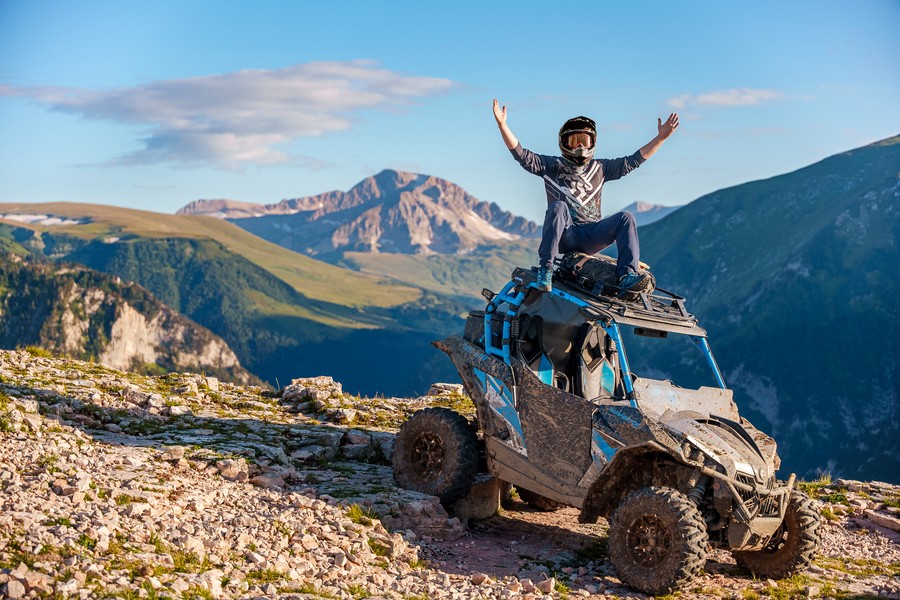
Understanding the Basics of ATV Climbing
ATV climbing involves riding uphill on inclines that require proper throttle control, balance, and terrain awareness. Hills can be loose, muddy, rocky, or hard-packed, and each surface demands a slightly different technique.
Before attempting any hill, always:
-
Assess the slope from the bottom
-
Look for obstacles like rocks, roots, or ruts
-
Choose a clear line to the top
-
Make sure your ATV is mechanically sound
Never attempt a climb that exceeds your skill level. Many ATV hill climbs fail because riders underestimate terrain difficulty or overestimate their abilities.
Proper Body Position for Hill Climbing
Correct body positioning is critical for maintaining traction and stability.
-
Lean forward to keep weight over the front wheels
-
Stand slightly on the foot pegs if terrain is uneven
-
Keep elbows up and knees gripping the ATV
-
Maintain a steady throttle—avoid sudden bursts
Shifting your body weight forward helps prevent the ATV from tipping backward, which is one of the most common dangers during an ATV hill climb.
Throttle and Gear Control
Smooth throttle control is essential when climbing steep hills. Too little throttle may cause loss of momentum, while too much can spin the tires.
Tips:
-
Use a low gear to maintain torque
-
Apply steady throttle, not sudden acceleration
-
Avoid changing gears mid-climb if possible
-
If traction is lost, ease off and regain control
On rocky terrain, especially during ATV climbing, slow and controlled throttle input allows tires to grip uneven surfaces effectively.
What to Do If You Can’t Make the Climb
One of the most important safety skills is knowing how to react if you stall or lose momentum.
If the ATV stops climbing:
-
Apply brakes gradually
-
Keep the ATV straight
-
Shift into reverse only if the ATV allows safe downhill backing
-
Slowly back straight down the hill
Never turn sideways on a steep incline—this is a major cause of rollovers and serious fails.
Safely Descending Steep Hills
Descending can be even more dangerous than climbing if done incorrectly.
Best practices for downhill riding:
-
Shift into low gear
-
Use engine braking instead of relying only on brakes
-
Keep your weight shifted rearward
-
Descend straight down, never at an angle
Avoid locking the brakes, which can cause sliding and loss of steering control.
ATV Rock Climbing Tips for Beginners
ATV climbing requires patience and precision. Unlike dirt hills, rocks reduce traction and demand careful line selection.
Key tips:
-
Choose slow, controlled movements
-
Let the suspension work—don’t rush
-
Keep tires on high points for better grip
-
Avoid spinning tires, which reduces traction
Rocky climbs reward skill over speed, making them ideal for riders focused on technical mastery rather than raw power.
Choosing the Best ATV for Hill Climbing
Not all ATVs perform equally on steep terrain. Selecting the best ATV for hill climbing depends on power, weight, drivetrain, and suspension.
Features to look for:
-
Four-wheel drive (4WD)
-
Strong low-end torque
-
Lightweight chassis
-
Quality suspension travel
-
Reliable braking system
Common ATV Hill Climb Fails (and How to Avoid Them)
Understanding common mistakes helps prevent accidents:
-
Charging hills too fast
-
Leaning backward instead of forward
-
Stopping sideways on a slope
-
Attempting climbs beyond skill level
-
Ignoring trail conditions
Most ATV hill climb failures are avoidable with proper preparation, technique, and patience.
Final Safety Tips for Beginners
-
Always wear protective gear (helmet, gloves, boots)
-
Ride with a partner when possible
-
Avoid wet or unstable terrain
-
Never exceed your comfort level
-
Practice on smaller hills before advancing
Mastering ATV climbing and descending steep hills takes time, but with proper technique and the right machine, it becomes one of the most rewarding parts of ATV riding.
Conclusion
Whether you’re learning your first ATV hill climb, exploring technical rock climbing, or searching for the perfect ATV for hill climbing, safety and skill should always come first. Start slow, respect the terrain, and focus on building confidence with every ride. With practice, steep hills will transform from intimidating obstacles into thrilling challenges you’ll look forward to conquering.