+1 561 855 1409
 Top 5 Winter Fly Fishing Tips: How to Succeed When the Temperatures Drop
For many anglers, the first frost signals the end of prime fishing season. But winter fly fishing is far from impossible — and for those willing to brave the cold, it can be one of the most rewarding times of the year. The solitude, the slower pace, the challenge, and the beautiful winter landscapes make it a unique experience.
If you’ve ever wondered whether you can fly fish in the winter, the answer is absolutely yes. With the right preparation, smart tactics, and seasonal awareness, you can enjoy consistent success even in freezing temperatures.
Whether you’re targeting winter trout, chasing steelhead, or exploring lakes during the colder months, this guide offers the essential strategies every angler needs. Here are the top five winter fly fishing tips to help you stay warm, safe, and productive all season long.
1. Slow Down Your Presentation
Fish metabolism drops significantly in cold water. This means trout, steelhead, and other game fish are far less willing to chase fast-moving flies. The most important rule for success is to slow everything down — your casting rhythm, your retrieves, your mends, and especially your fly movement.
Why it works
-
Cold-water fish conserve energy.
-
They stay tight to deep, slow currents or lake structure.
-
A slow drift or crawl makes your fly look like vulnerable winter prey.
How to do it
-
Use weighted nymphs or add split shots to achieve a bottom-hugging drift.
-
Lengthen your leader for a quieter, more controlled presentation.
-
When stripping streamers, use long pauses and subtle motions.
This simple adjustment alone can dramatically increase your winter catch rate and is one of the most essential tips for winter fly fishing.
2. Focus on Midday and Warmer Weather Windows
Unlike summer or fall, the best action during fly fishing in winter often happens during the warmest part of the day — typically between 11 a.m. and 3 p.m. Brief periods of sunlight can increase water temperature by just one or two degrees, but that small change often triggers feeding behavior.
Key signs to look for
-
Slight increase in water temperature
-
Rising fish during midge hatches
-
Subtle surface dimples indicating emerging insects
Recommended flies for midday hatches
-
Zebra midge
-
RS2
-
Griffith's gnat
-
Winter BWO patterns
If you’re fly fishing lakes in winter, watch for shallow shelves or sunlit coves that warm more quickly — lake trout and rainbows often move into these zones to feed.
3. Target Deep, Slow Water
Winter fish do not waste energy fighting fast currents. The best winter holding areas include:
-
Deep pools
-
Tailouts
-
Seams with slow walking-pace current
-
The soft water behind boulders
-
Drop-offs and structure on lakes
This rule is crucial for both trout and steelhead fly fishing tips. Steelheads in particular prefer slow, green water that offers depth and overhead protection. Trout settle into predictable winter lies, making it easier to locate them once you understand the structure.
Pro Tip
Use a depth-oriented approach. Adjust weight repeatedly until your flies tick the bottom every few drifts. If you’re not occasionally snagging, you probably aren’t deep enough.
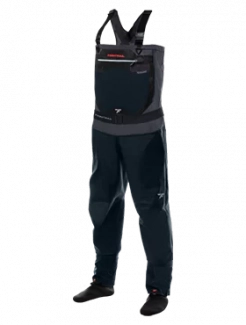
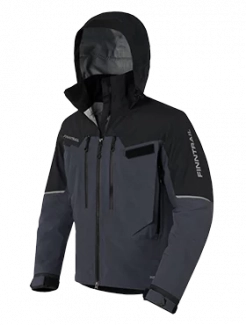
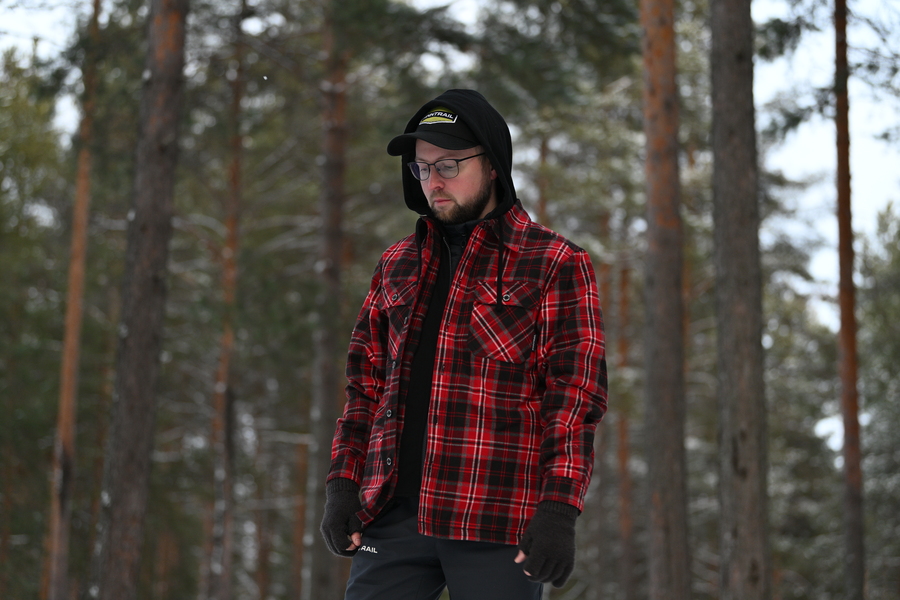
4. Dress Smart: Cold-Weather Gear Matters
You cannot succeed at fly fishing in winter if you aren’t comfortable. Hypothermia and cold hands can end a trip faster than poor fishing. Layering and proper materials are critical.
Clothing checklist
-
Base layer: moisture-wicking synthetic or merino wool
-
Mid-layer: fleece or insulated jacket
-
Outer layer: waterproof, windproof shell
-
Gloves: fold-over mitts or fingerless wool
-
Socks: wool, preferably two layers with a wicking liner
-
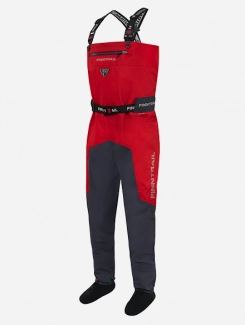
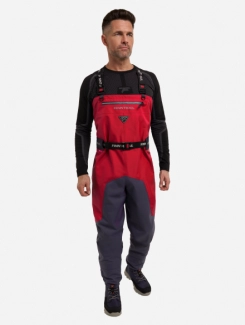
Waders: breathable with warm underlayers
-
Hat: insulated beanie or windproof cap
Additional comfort gear
-
Chemical hand warmers
-
A thermos with a hot drink
-
A small towel to dry your hands
Staying warm keeps you alert, improves your concentration, and allows you to fish longer — one of the most overlooked winter fly fishing tips.
5. Downsize Your Tippets and Flies
Winter trout feed mostly on tiny aquatic insects like midges, small mayflies, and subsurface larvae. Matching this natural diet means scaling down your setups.
Recommended winter sizes
-
Nymphs: #18–#24
-
Dry flies: #20–#26
-
Tippet: 5X–7X, depending on clarity and size of fish
Because winter water is usually low and crystal clear, thin tippets make your presentation more natural and help you achieve a longer drag-free drift.
For winter steelhead, downsizing may mean switching to smaller intruders, egg patterns, or sparse hair-wing flies. This subtle presentation often outfishes larger patterns in cold water, making it one of the best winter steelhead fly fishing tips for pressured rivers.
Additional Fly Fishing in Winter Tips
Beyond the core five strategies, here are some bonus ideas to elevate your winter skillset:
Keep moving until you find fish
Even in lakes, winter fish concentrate tightly. If you’re not catching, reposition.
Use indicators sparingly
In slow winter water, subtle takes are common. A small yarn or air-lock indicator helps detect soft strikes.
Know the regulations
Some rivers have special winter rules or closures to protect spawning fish.
Stay safe
Winter conditions bring ice, slippery rocks, and rapid temperature changes. Use a wading staff and avoid shelf ice.
Final Thoughts
Some anglers argue winter is the best season of all. The rivers are quieter, fish are predictable, and the challenge is uniquely satisfying. By slowing down, fishing during warm windows, targeting the right water, dressing appropriately, and downsizing your approach, you can thrive on the coldest days of the year.
Whether you're chasing rainbows on spring creeks, exploring fly fishing lakes in winter, or hunting chrome with dedicated tips, these strategies will help you make the most of every frosty adventure.
Embrace the cold, enjoy the solitude, and experience the magic of fly fishing in winter.