+1 561 855 1409
 Transform Your Snowmobile’s Handling with These 7 Simple Basic Adjustments
Fine-tuning your sled doesn’t require being a mechanic or buying expensive parts. In fact, some of the best snowmobile improvements come from simple factory adjustments many riders overlook. Whether you're chasing sharper cornering, better flotation in deep snow, or a more stable ride on a hardpack, a few basic tweaks can completely transform how your machine feels on the trail.
Below are seven essential adjustments any rider can perform to enhance confidence, control, and comfort.
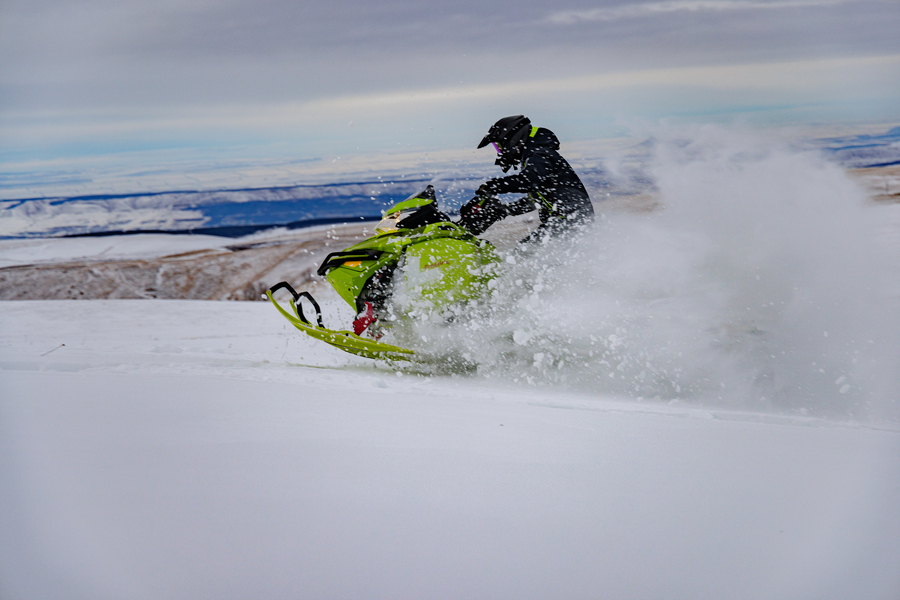
1. Adjust Your Snowmobile’s Limiter Strap for Better Control
One of the most important yet misunderstood tuning points is the limiter strap adjustment. The limiter strap controls how far the front of the rear suspension can extend. This directly impacts ski pressure, weight transfer, and overall handling.
Tightening the limiter strap:
-
Increases ski pressure
-
Improves cornering precision
-
Reduces ski lift during acceleration
-
Enhances stability on hardpack
Loosening the limiter strap:
-
Allows more snowmobile weight transfer
-
Improves deep-snow performance
-
Helps the sled pop onto the snow better
-
Can increase ski lift
If you’re unsure where to start, most riders benefit from tightening the strap one hole shorter to gain a better front-end bite. This is especially effective for trail riding. Riders who want more playful mountain performance often loosen it one hole.
For beginners, adjusting limiter strap snowmobile settings can feel intimidating, but it’s typically a simple process requiring only basic tools.
2. Optimize Your Rear Suspension for Maximum Stability
Many handling problems — porpoising, bucking, bottoming out — are caused by poor rear suspension sag or incorrect spring settings. Learning how to adjust rear suspension on your snowmobile makes a dramatic difference in comfort and control.
What is snowmobile sag?
Sag is the amount your sled naturally compresses under your body weight. If the sag is too deep, the rear end bottoms out and steering becomes vague. Too little sag makes the ride harsh and reduces traction.
How to measure and tune sag:
-
Lift the rear bumper until the suspension fully extends.
-
Measure from the ground to the bumper.
-
Sit on the sled in full gear and measure again.
-
The difference is your sag.
-
Adjust the torsion springs to dial in the correct amount (usually around 30–35% of full travel).
Many riders ignore sag, but setting it correctly is one of the biggest secrets to better snowmobile handling.
3. Adjusting Rear Suspension on Snowmobile for Your Riding Style
After setting sag, fine-tune your preload and compression damping. These settings affect weight transfer, ride smoothness, and traction.
Trail riders:
-
Increase preload for firmer, more responsive handling
-
Reduce weight transfer for stable acceleration
Mountain riders:
-
Softer settings to maximize traction
-
Increased weight transfer to help lift the skis in deep snow
The most important rule of adjusting rear suspension on a snowmobile is to make small changes, test them, and continue fine-tuning. A few turns of the adjuster can completely transform performance.
4. Dial In Your Snowmobile Front Shock Adjustment
Your front suspension determines how your sled handles bumps, corner entry, and steering feedback. Proper front shock adjustment enhances stability and predictability.
Key areas to adjust:
-
Preload influences ski pressure and ride height
-
Compression damping affects firmness and bump absorption
-
Rebound controls how quickly the shock extends after compression
If your sled feels twitchy, reduce preload and compression. If it dives into corners or bottoms out easily, increase them.
Front shocks are one of the most personalized adjustments, but getting them right improves confidence more than almost any other change.
5. Fine-Tune Your Snowmobile Skis for Better Steering
High-quality skis help, but even stock skis can perform dramatically better when adjusted properly. Learning how to adjust snowmobile skis is essential for predictable steering and stable cornering.
Ski alignment essentials:
-
Set toe-out between 1/8" and 1/4"
-
Ensure carbide runners are equally worn
-
Adjust ski stance width depending on riding style
Wider ski stance = stability
Narrow ski stance = quicker turning
Adjusting Snowmobile Skis:
Many riders overlook that skis must be aligned evenly. Uneven alignment causes:
-
Wandering on straightaways
-
Oversteer or understeer
-
Unpredictable handling
Once you understand how to adjust skis properly, the front-end control improves instantly.
6. Manage Snowmobile Weight Transfer for Perfect Balance
Snowmobile weight transfer influences acceleration, traction, and cornering. Too much transfer leads to ski lift and unpredictable handling. Too little makes the sled feel stuck to the ground and sluggish.
Adjusting these components helps control weight transfer:
-
Limiter strap
-
Rear torsion springs
-
Transfer rods (on some models)
-
Front shock preload
Finding the right balance depends on your riding style. Trail riders often prefer minimal transfer, while deep-snow riders benefit from increased transfer.
7. Keep Your Carbides, Track, and Suspension Components Maintained
Even the best setup won’t perform if parts are worn or misaligned. To maintain your snowmobile, check regularly:
Carbides:
-
Worn carbides reduce steering precision
-
Replace them when rounded or dull
Track tension:
-
Too tight = harsh ride and excess wear
-
Too loose = poor acceleration and ratcheting
Suspension joints:
-
Loose bolts or worn bushings cause unpredictable handling
-
Grease pivot points regularly
Routine maintenance ensures your handling adjustments stay effective all season long.
Final Thoughts
Improving snowmobile handling doesn’t require modifications or expensive upgrades. Small tweaks — like limiter strap adjustment, front shock tuning, setting rear suspension sag, and correctly adjusting skis — can deliver huge improvements in control and comfort.
Mastering these seven basic adjustments helps your sled stay predictable in corners, stable at speed, and responsive in all conditions. Whether you're a casual rider or a performance enthusiast, these simple adjustments offer some of the biggest returns for your time and effort.