+1 561 855 1409
 Winter Fishing Tips and Tricks: Your Complete Cold-Weather Guide
For many anglers, winter means packing away the rods and waiting for spring—but serious fishermen know the cold season offers some of the most rewarding action of the year. Fish behave differently in cold water, but with the right approach you can catch trophy bass, trout, crappie, carp, and more even when temperatures drop below freezing.
This guide covers the best winter fishing tips and tricks for lakes, rivers, and even ice-covered waters, plus species-specific strategies to help you stay productive all season long.
How Cold Water Changes Fish Behavior
Before diving into specific tactics, it’s important to understand how fish react to winter conditions.
Cold water slows their metabolism, reducing movement and lowering their need to feed. They often group tightly in deeper, more stable zones and become less aggressive. Because of this, your approach must shift to slower presentations, smaller baits, and precise depth control.
Winter Bass Fishing Tips
Bass can be challenging in winter, but they’re far from impossible. Use these winter bass fishing tips to stay successful:
1. Slow Down Your Presentation
Whether you’re working a jig, jerkbait, or soft plastic, retrieve speeds should be drastically slower. Cold-water bass won’t chase fast-moving targets.
2. Target Deep Structure
Most bass hold near ledges, deep points, and submerged brush. Electronics help you locate these zones.
3. Downsize Your Baits
Smaller jigs and soft plastics mimic winter forage more accurately.
4. Use Jerkbaits with Long Pauses
In cold water, pauses of 5–15 seconds often trigger strikes.
5. Choose the Warmest Part of the Day
Afternoon sun warms shallow flats, drawing baitfish—and bass—closer to the surface.
Tips for Winter Bass Fishing From Shore
Bank anglers can still catch winter bass by focusing on sunny banks, channel swings close to shore, or riprap that absorbs heat. Combine these tips for winter bass fishing to stay productive without a boat.
Winter Trout Fishing Tips
Trout remain active throughout the winter, making them a great target species.
1. Drift Small Nymphs or Midges
Cold-season trout feed mostly on tiny insects. Use subtle drifts and light tippets.
2. Fish Deep Pools
Slow, deep water holds the most consistent trout numbers in winter.
3. Use Natural Colors
Clear winter water makes trout selective—olive, brown, and black patterns excel.
Whether you prefer fly or spin, these winter fishing tips improve success in every type of cold-water stream.
Winter Fly Fishing Tips
Fly fishing during winter can be incredibly rewarding, especially when you combine technique with seasonal adjustments.
1. Match the Winter Hatch
Midges and small nymphs dominate. Tiny bead-heads are essential.
2. Keep Your Line Off the Ice
Mend frequently and fish slower drifts to keep your rig functioning smoothly.
3. Warm Your Hands and Gear
Frozen guides reduce casting performance—use line dressing and keep gloves dry.
Experienced anglers rely heavily on these tips for winter fly fishing a to stay comfortable and successful.
Winter Crappie Fishing Tips
Crappie school tightly in winter, making them easy to locate once you find the first group.
1. Use Electronics Wisely
Look for tightly stacked arcs near brush piles or submerged timber.
2. Vertical Jigging Works Best
Small, gentle movements outperform aggressive jigging.
3. Try Minnows When the Bite Is Slow
Live bait often triggers reluctant fish.
These winter crappie fishing tips help fill your livewell even on the coldest days.
Winter Carp Fishing Tips
Carp are surprisingly catchable in cold water when using the right strategies.
1. Use Slow-Breakdown Bait
Groundbaits and PVA bags should release flavor gradually.
2. Target Stable, Deep Areas
Carp avoid sudden temperature swings, preferring deeper holes.
3. Lighten Up Rigs and Leads
More subtle presentations increase bites.
Combine these carp fishing in winter tips to catch big carp when most anglers stay home.
Winter Lake Trout Fishing Tips
Lake trout feed heavily in cold conditions, but depth control is crucial.
1. Jig Heavy Spoons Vertically
Lakers respond to slow lifts and drops in deep water.
2. Follow the Bait
Use sonar to locate suspended baitfish and fish directly beneath them.
3. Early Morning Is Prime
Low light encourages lakers to move shallower.
These winter lake trout fishing tips dramatically improve deep-water success.
Winter River Fishing Tips
Rivers behave differently than lakes in cold weather. Use these key tactics:
1. Seek Out Slow Current
Fish conserve energy in deep pools, eddies, and behind large structures.
2. Fish Deep and Slow
Bottom-oriented presentations work best in cold river systems.
3. Avoid High, Fast Water
Stable flows produce consistent fishing.
Winter River Walleye Fishing Tips
Walleye remain active in winter, especially in rivers where current keeps them feeding.
1. Jig the Deep Holes
Use slow-moving jigs tipped with minnows.
2. Fish at Dusk and Dawn
Low-light periods produce the strongest walleye bites.
3. Use Subtle Colors
Natural shad or perch patterns excel in winter clarity.
These winter river walleye fishing tips work from both boat and shore.
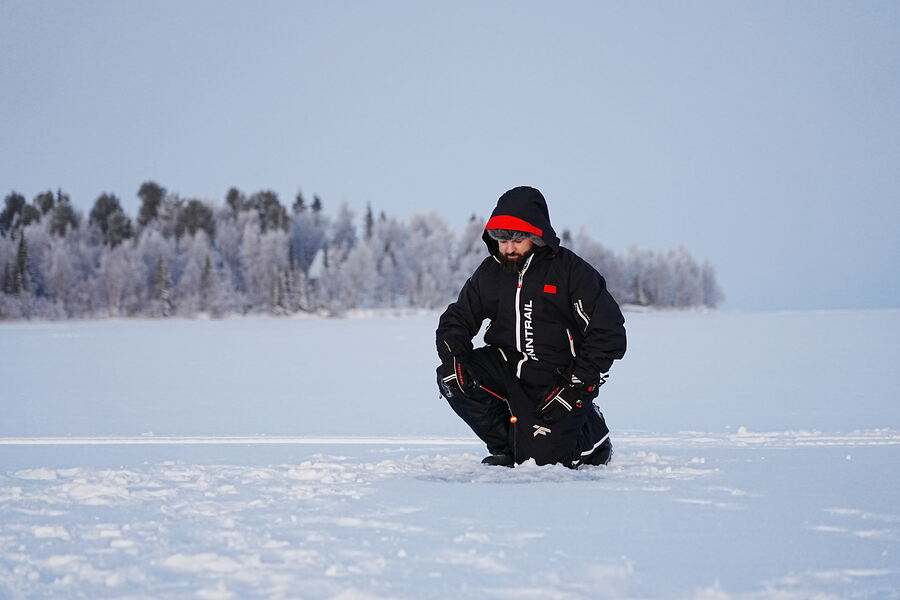
Winter Ice Fishing Tips
If your lakes freeze over, ice fishing opens an entirely new world of opportunity.
1. Safety First
Always check ice thickness—4 inches minimum for foot travel.
2. Downsize Jigs and Spoons
Fish respond best to small, subtle lures.
3. Use Electronics to Stay Mobile
Move frequently until you locate active fish.
These essential winter ice fishing tips keep you safe and productive on the hardwater.
Final Thoughts
Winter fishing doesn’t have to be slow or uncomfortable. With the right gear, patience, and species-specific strategies—and by applying these expert winter fishing tips — you can enjoy some of the most exciting cold-season angling available. Whether you’re targeting bass, trout, crappie, carp, or walleye, or exploring fly fishing and ice fishing opportunities, the winter months can be incredibly rewarding for anglers willing to adapt.